Biography
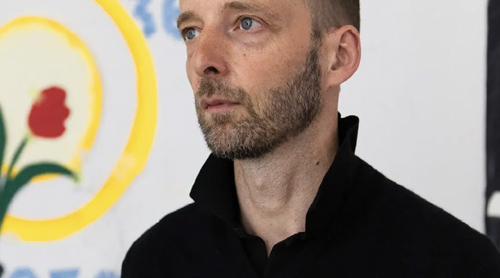
Born in Hamburg in 1967, Magnus Plessen lives and works in Berlin. A self-taught artist, he pursued photography and filmmaking before dedicating himself fully to painting in 1999.
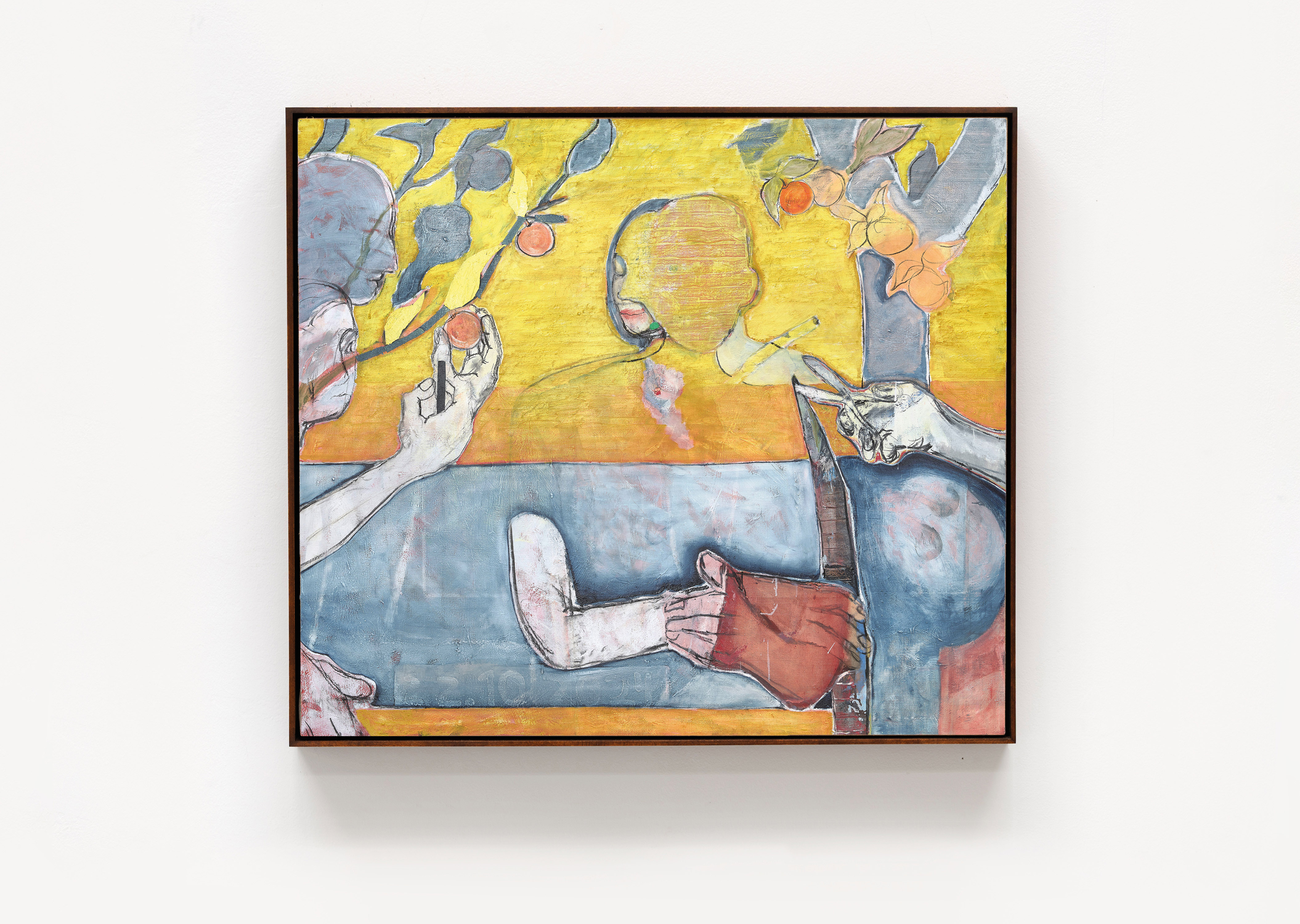
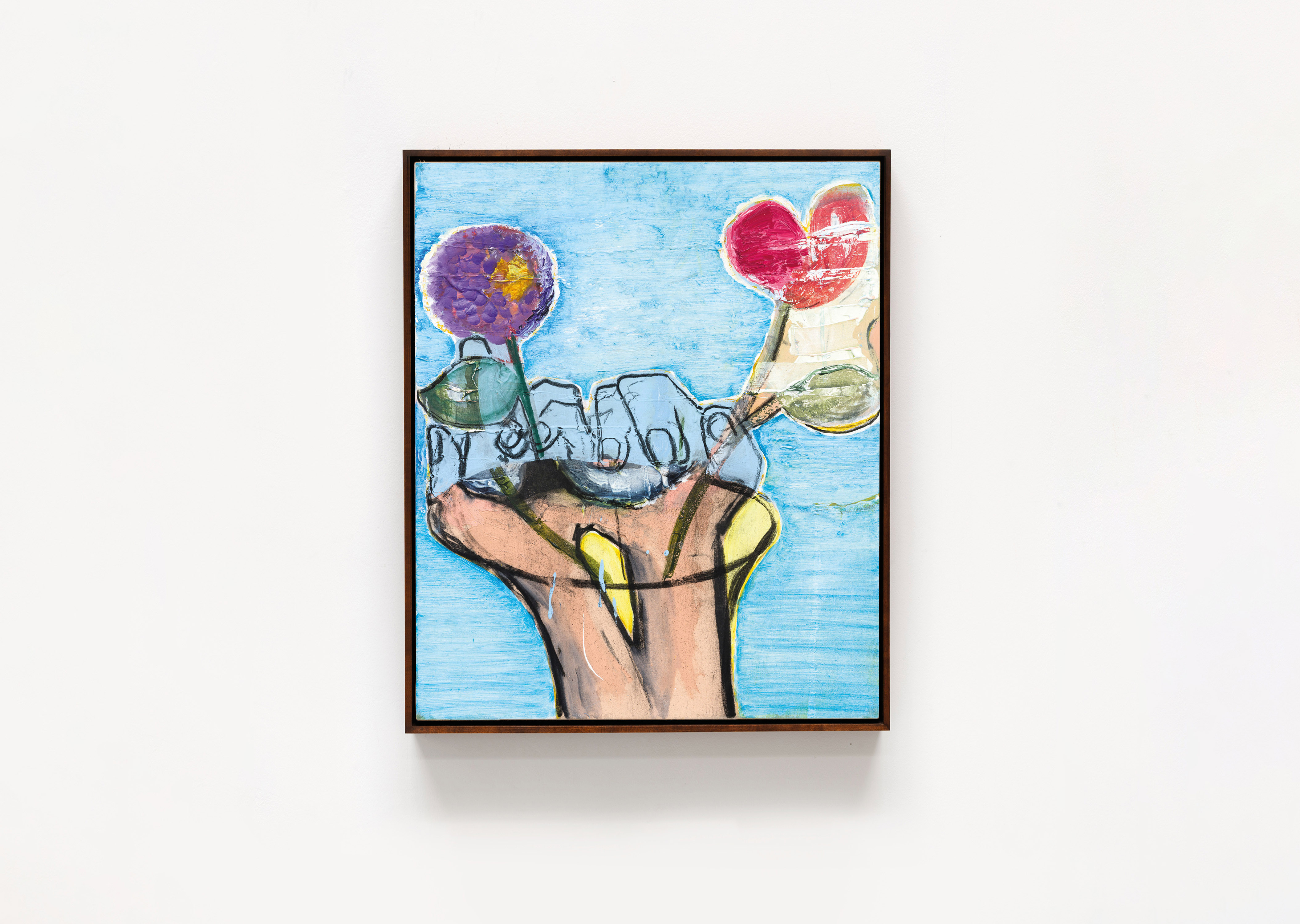
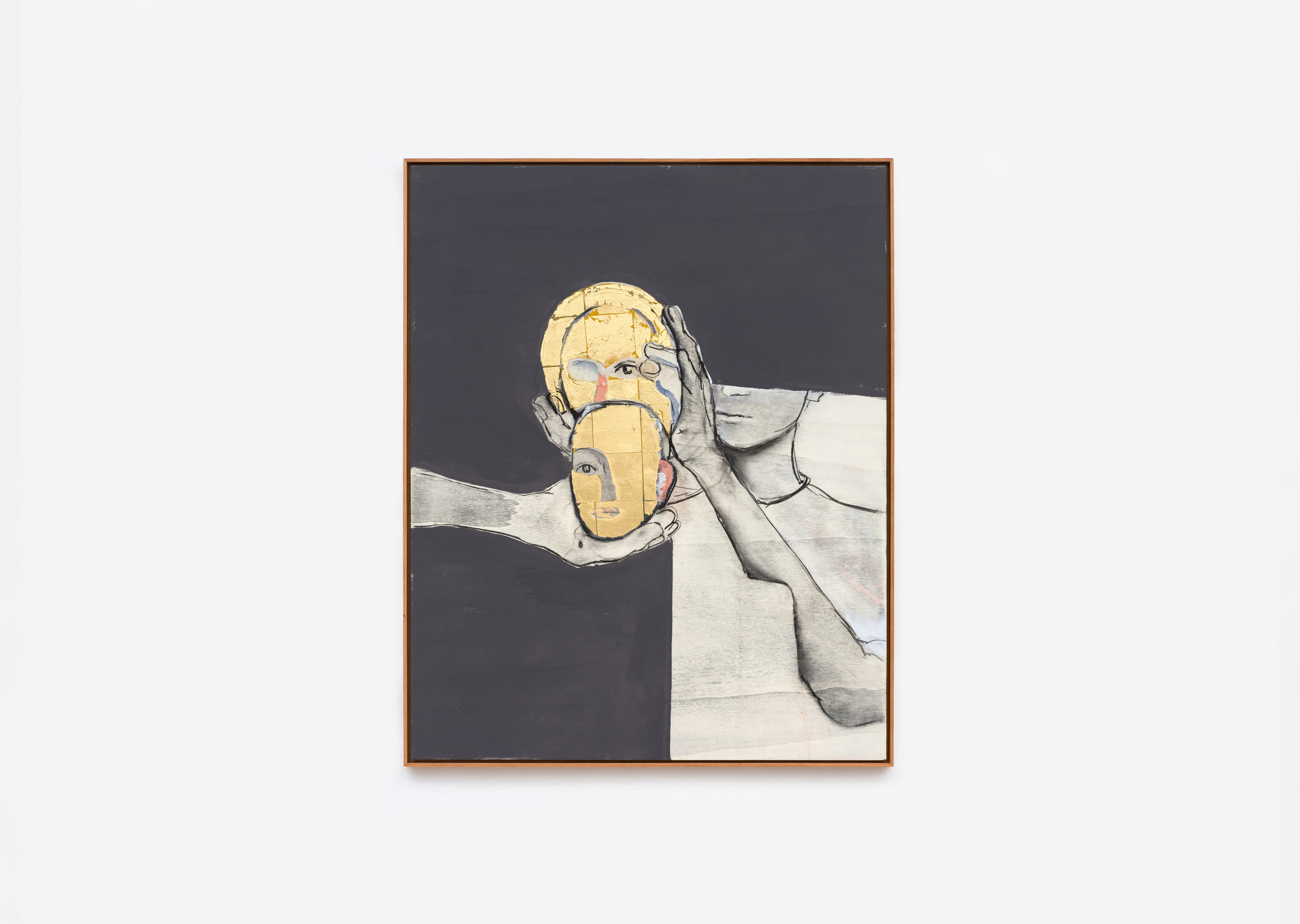
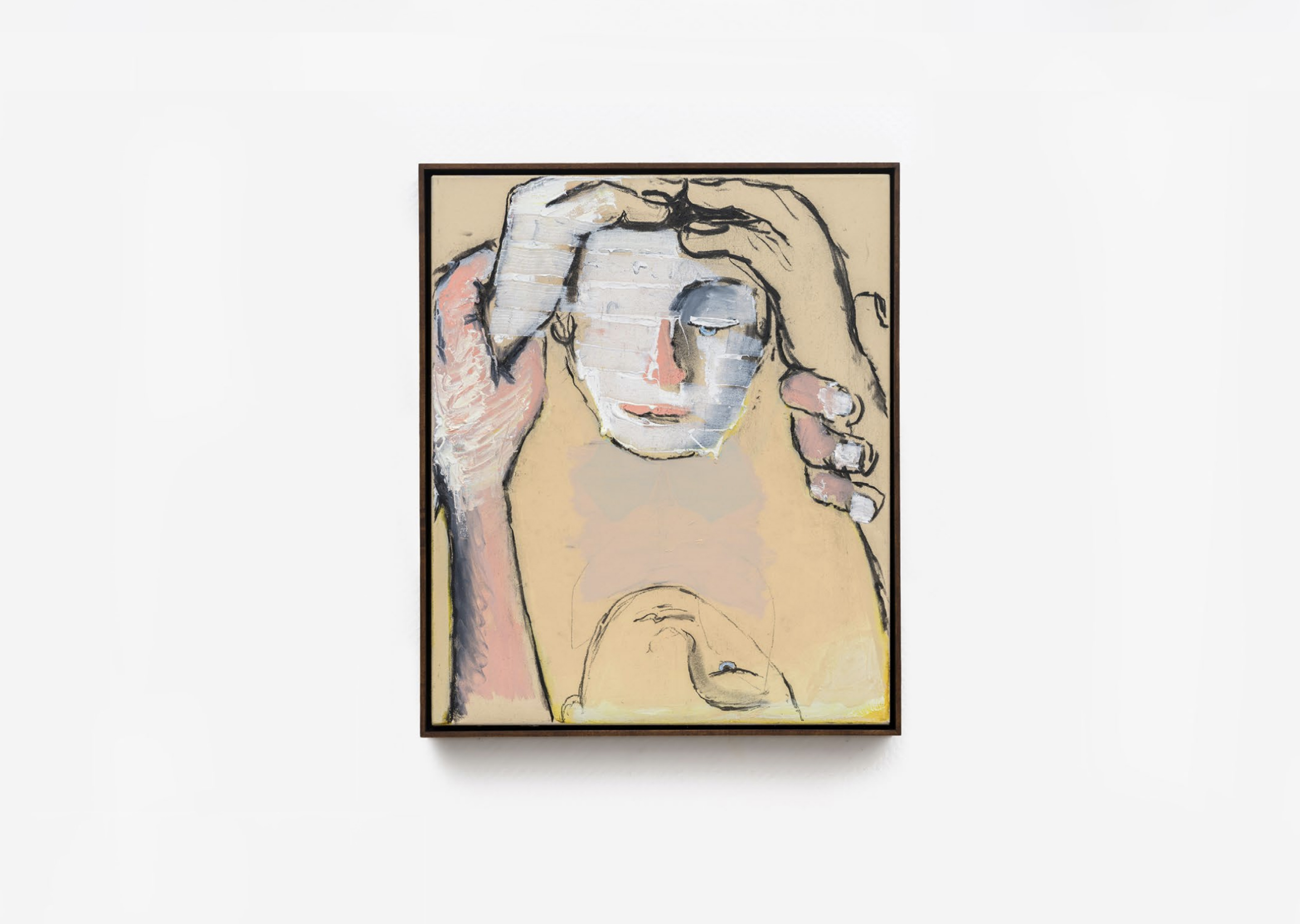
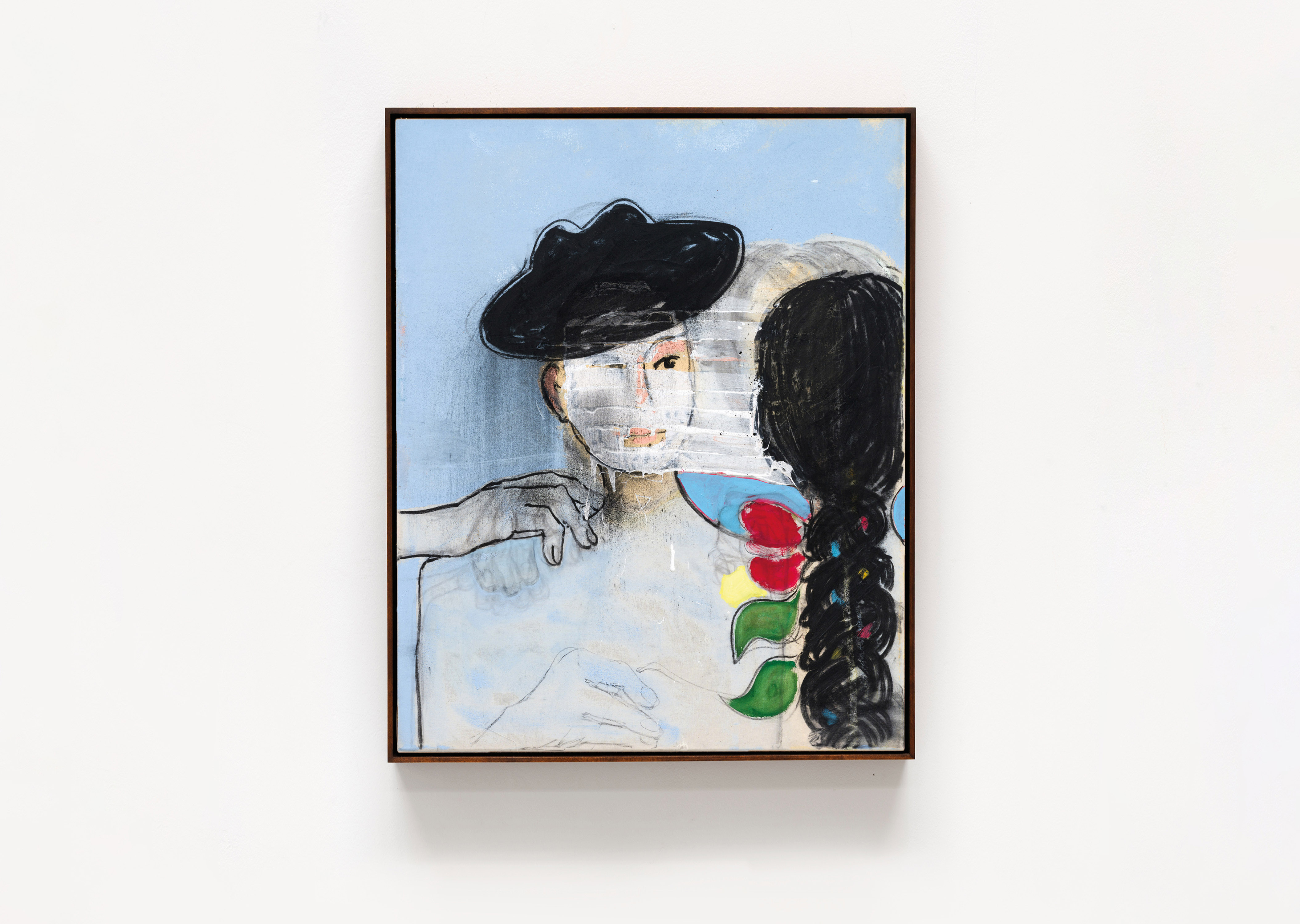
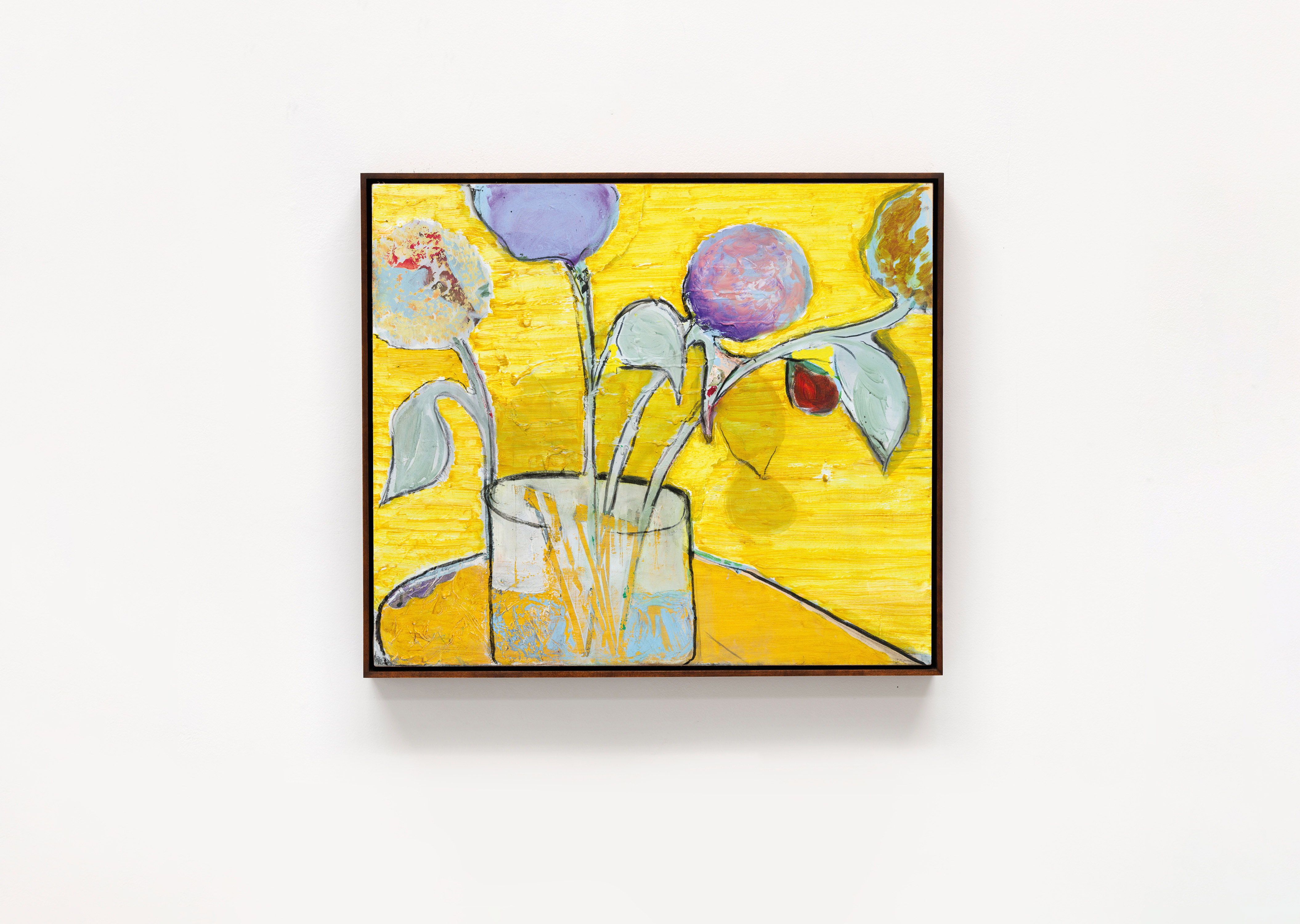
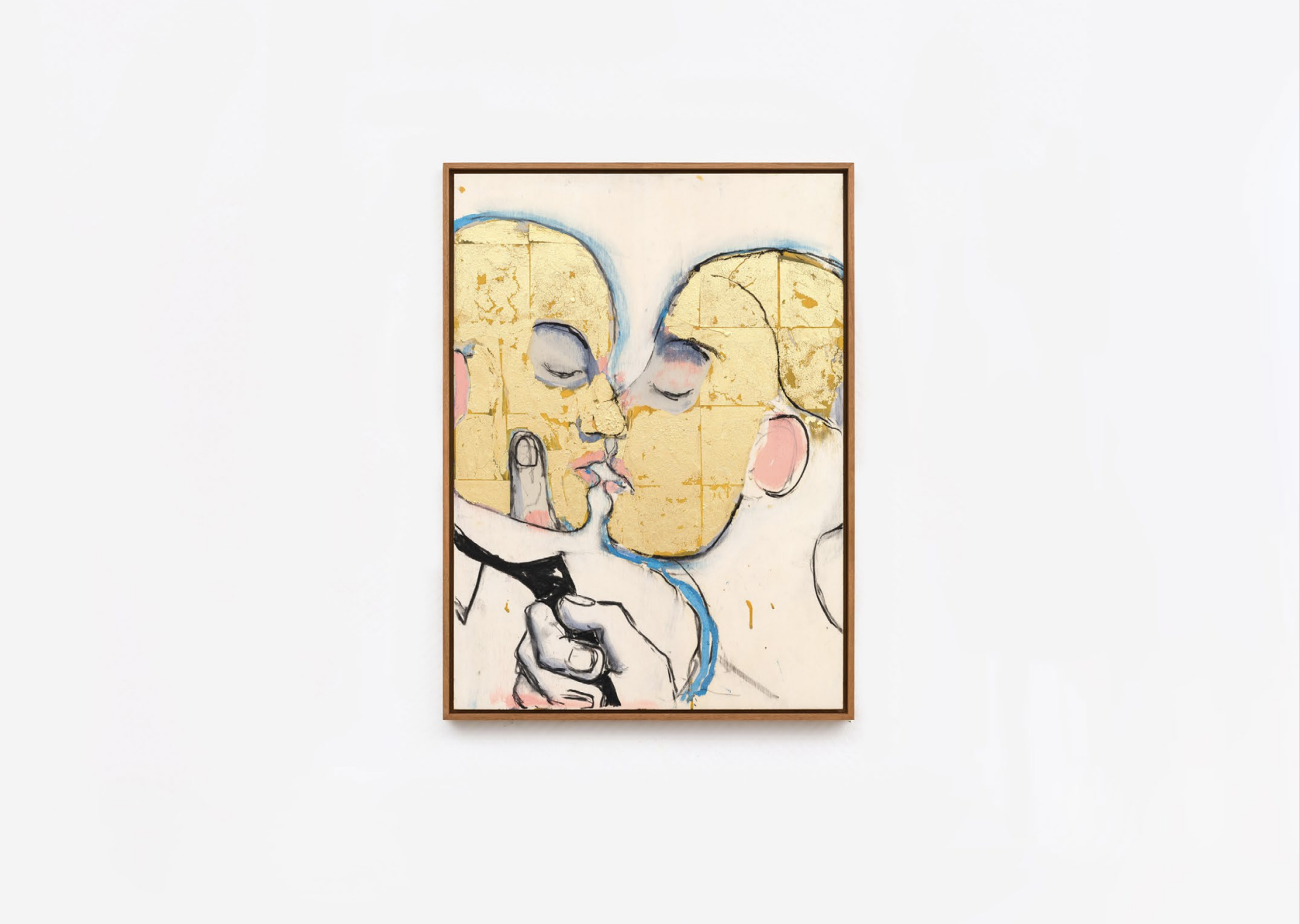
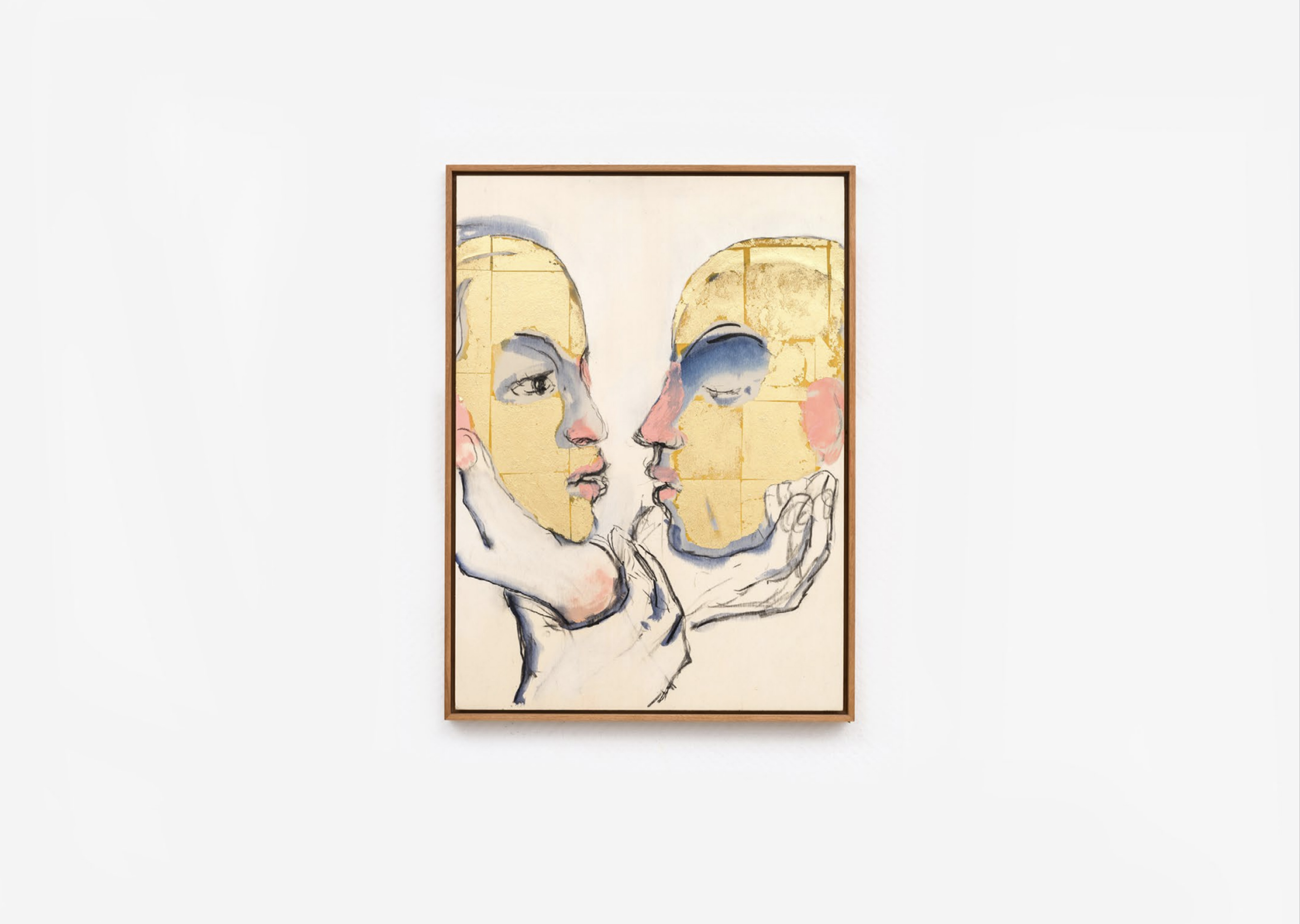
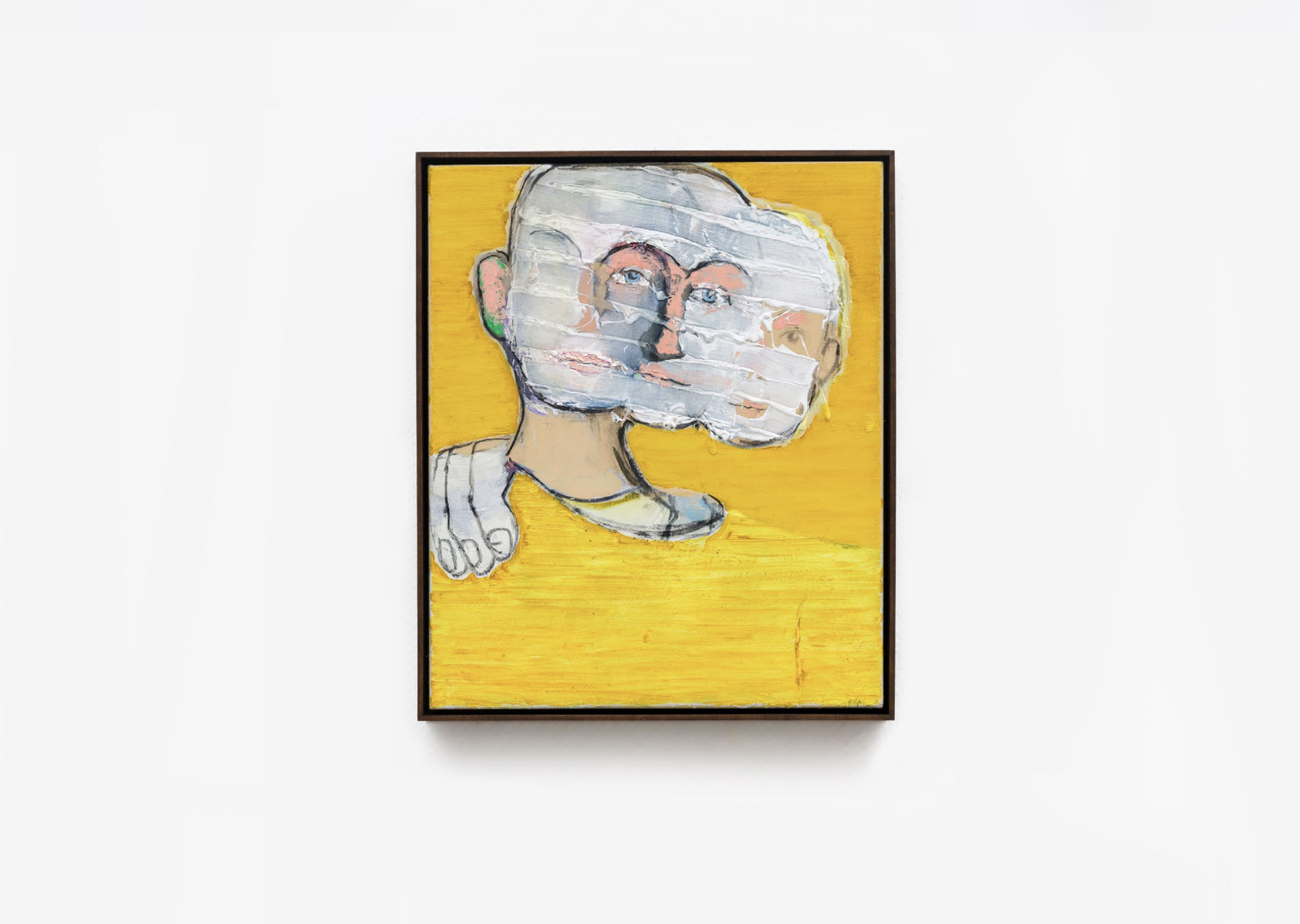
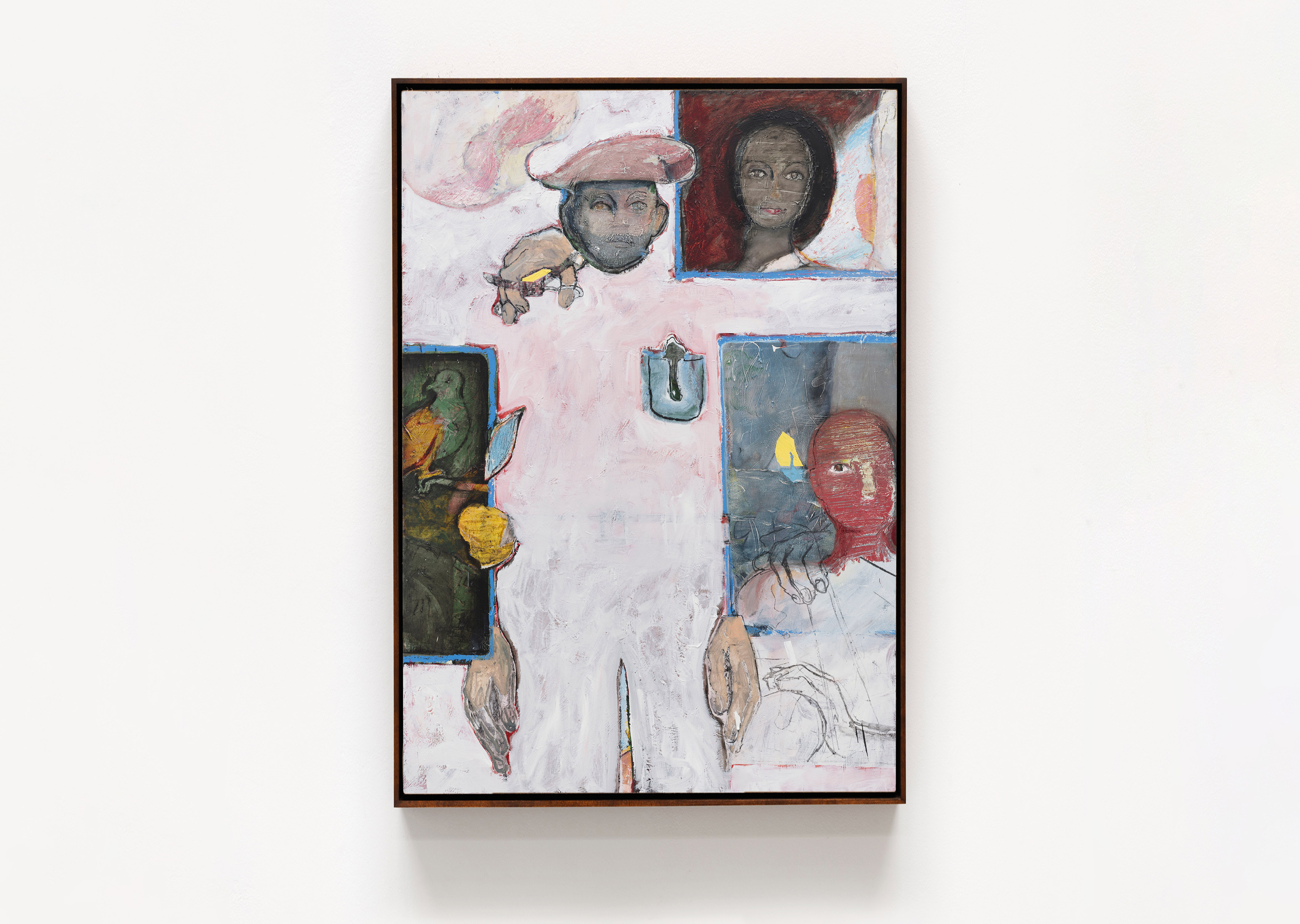
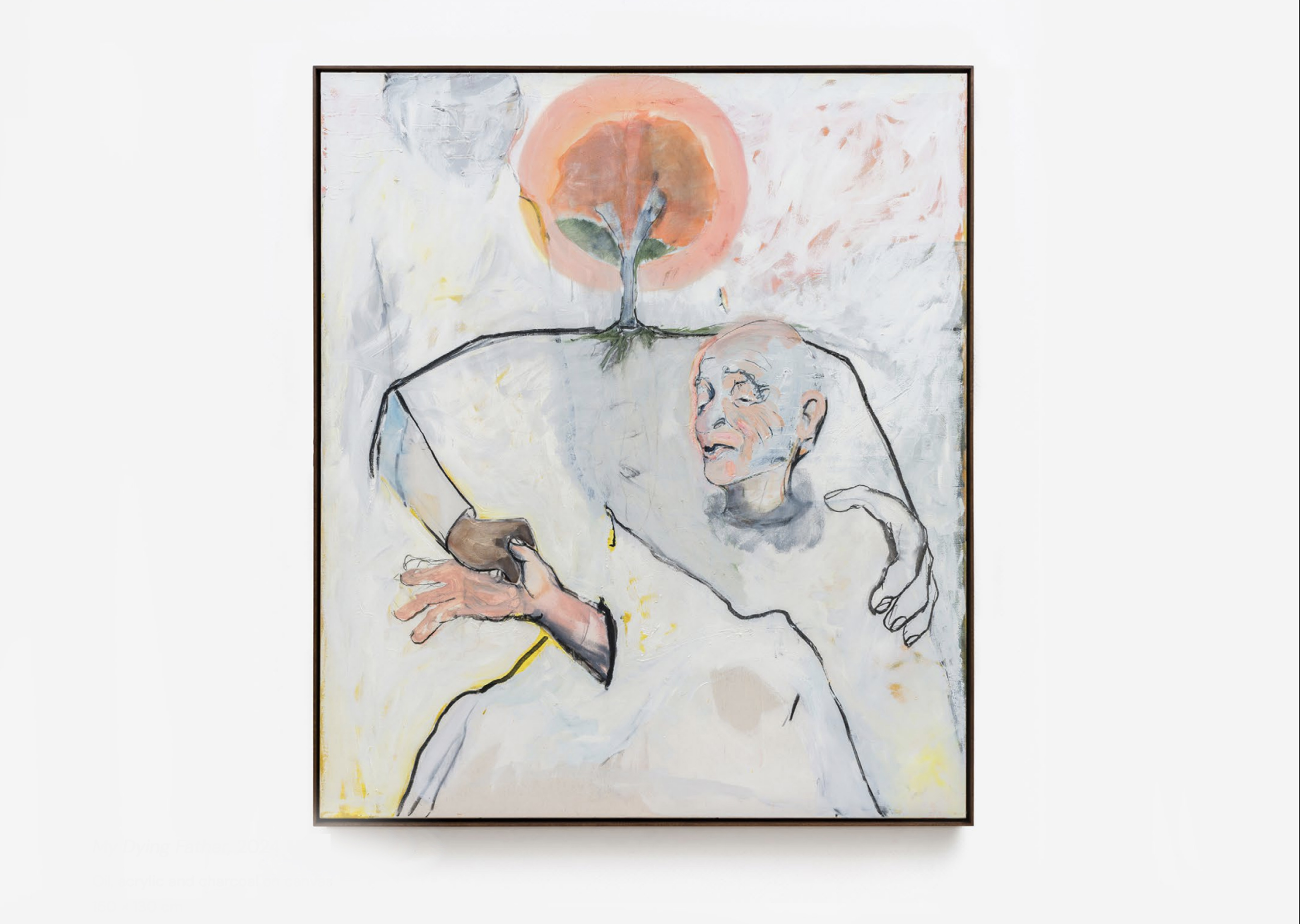
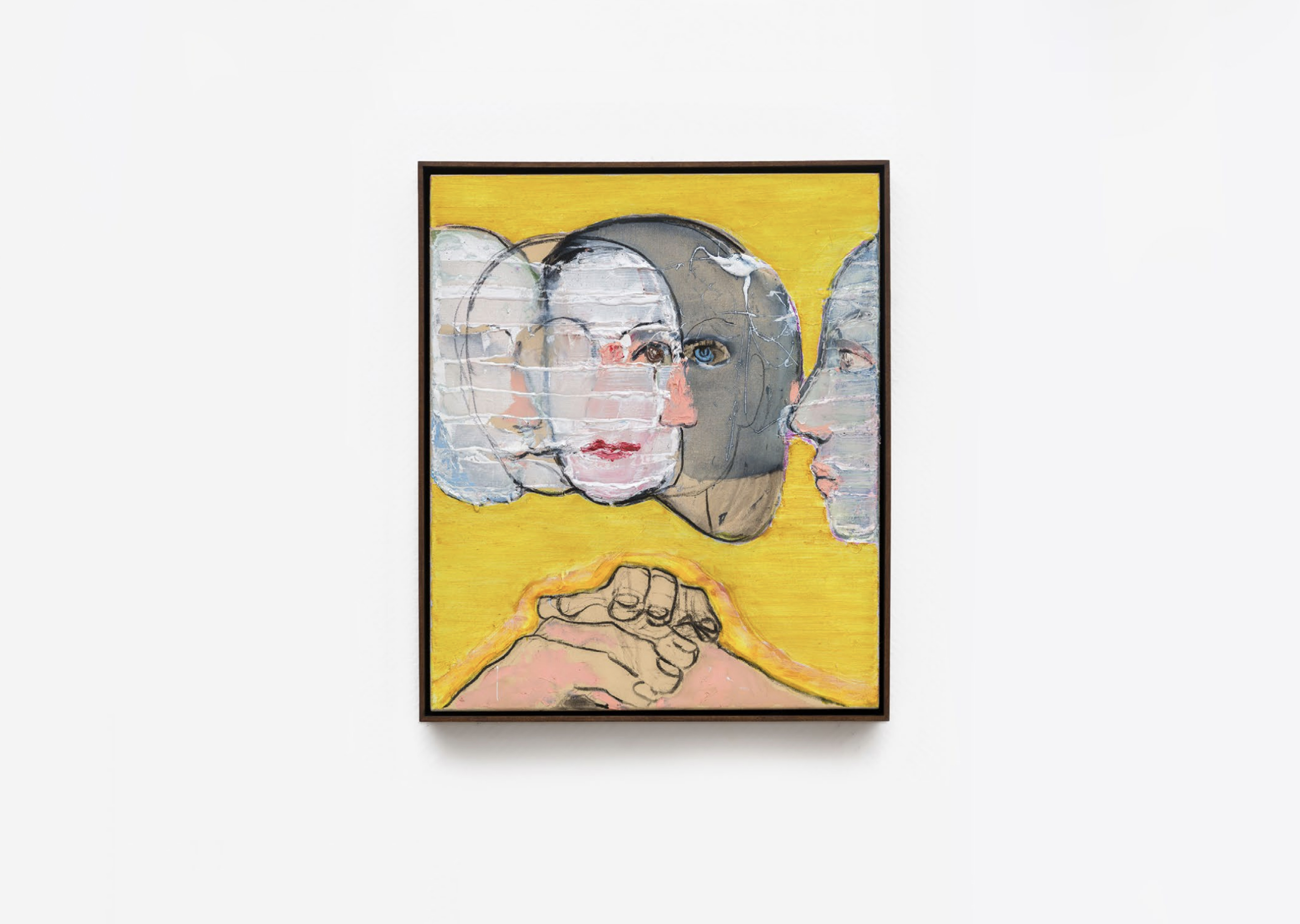
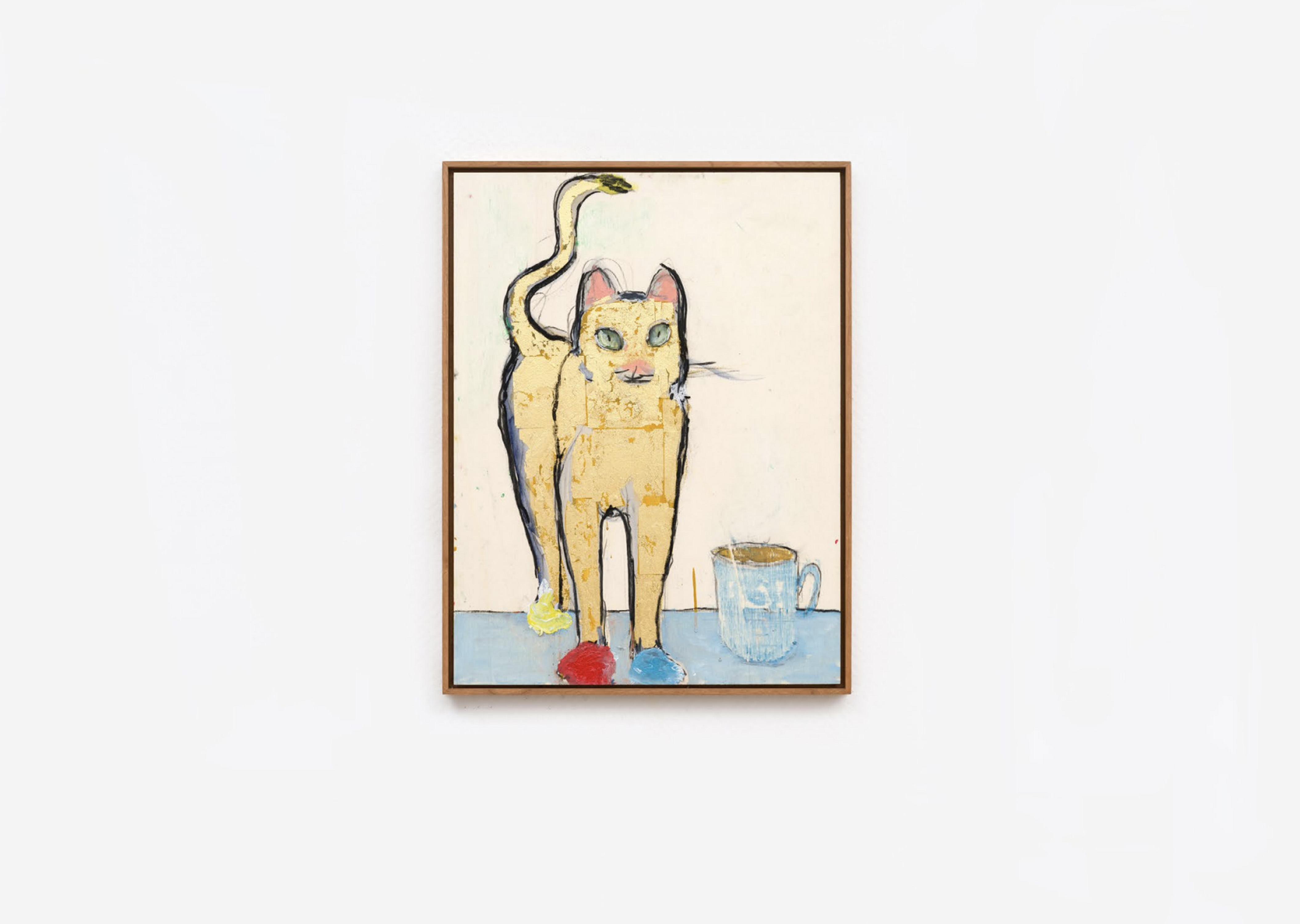
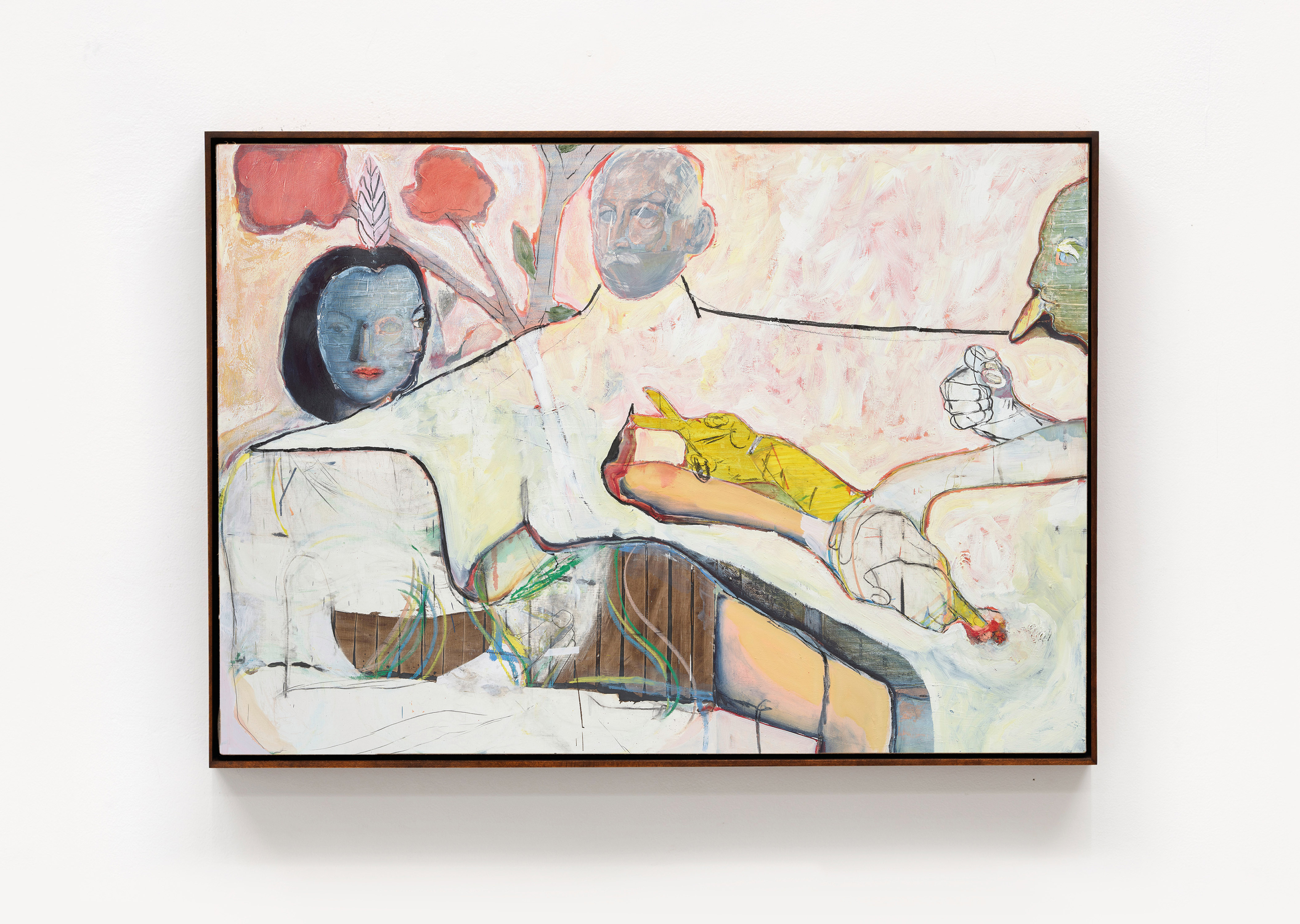
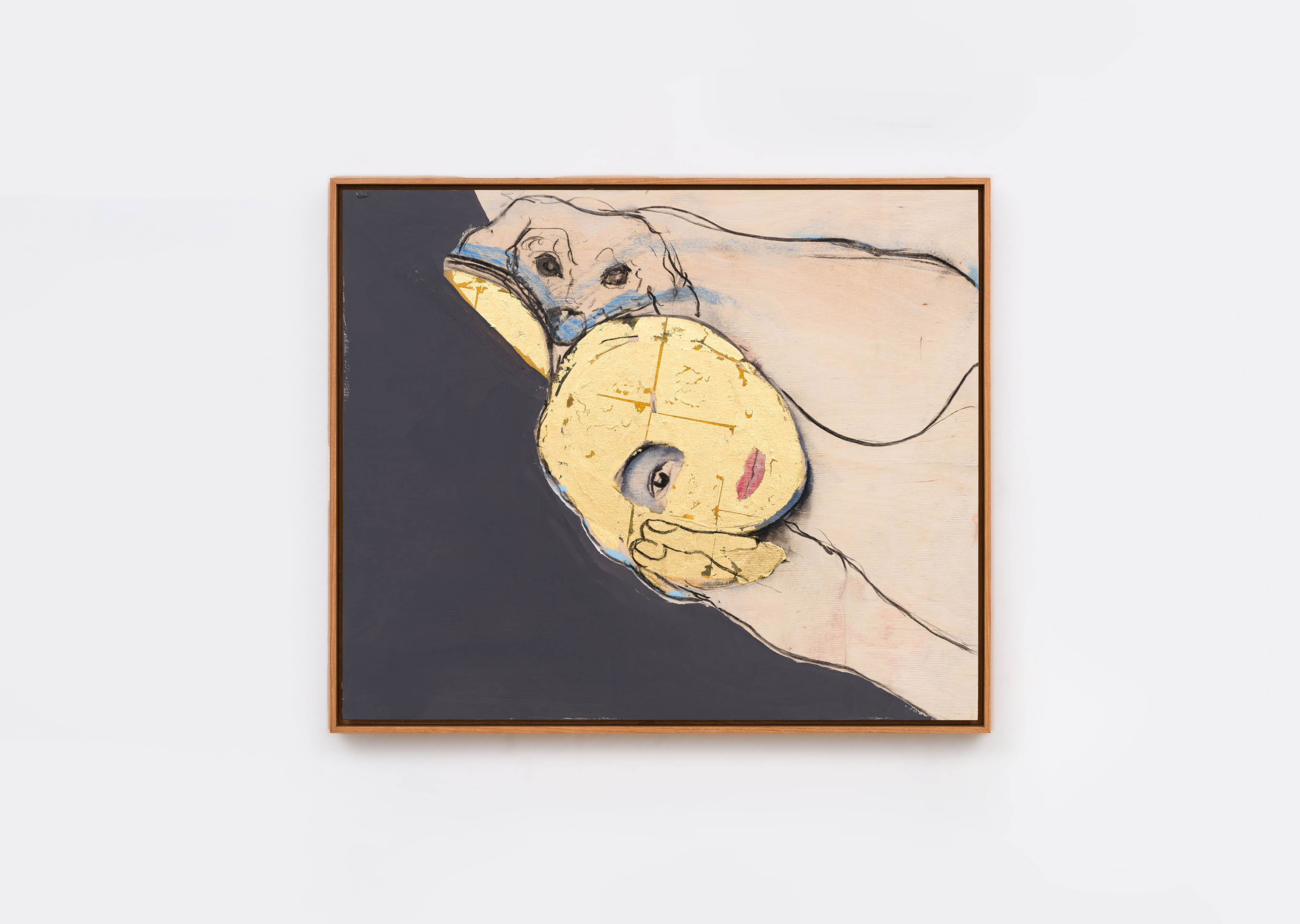
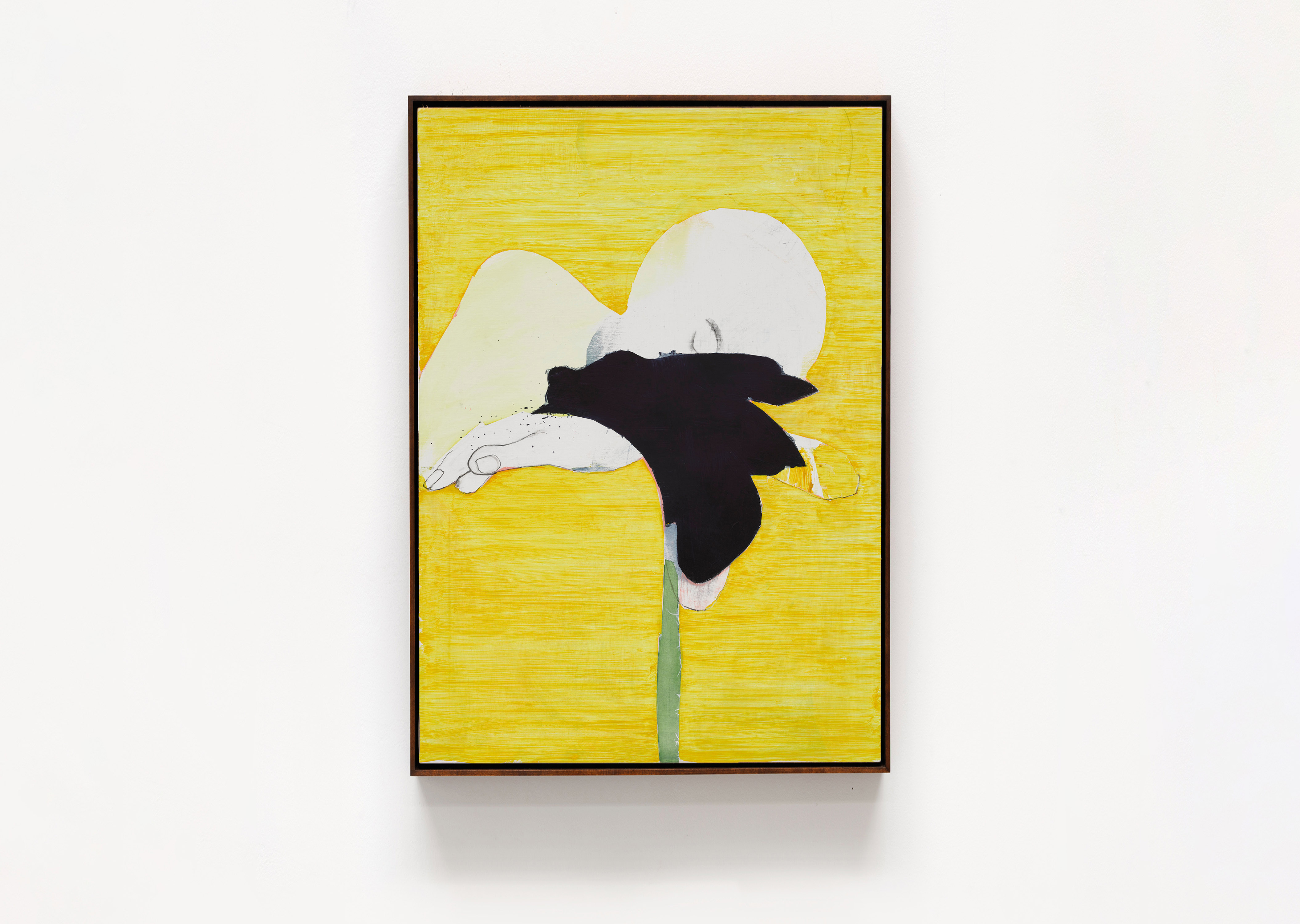
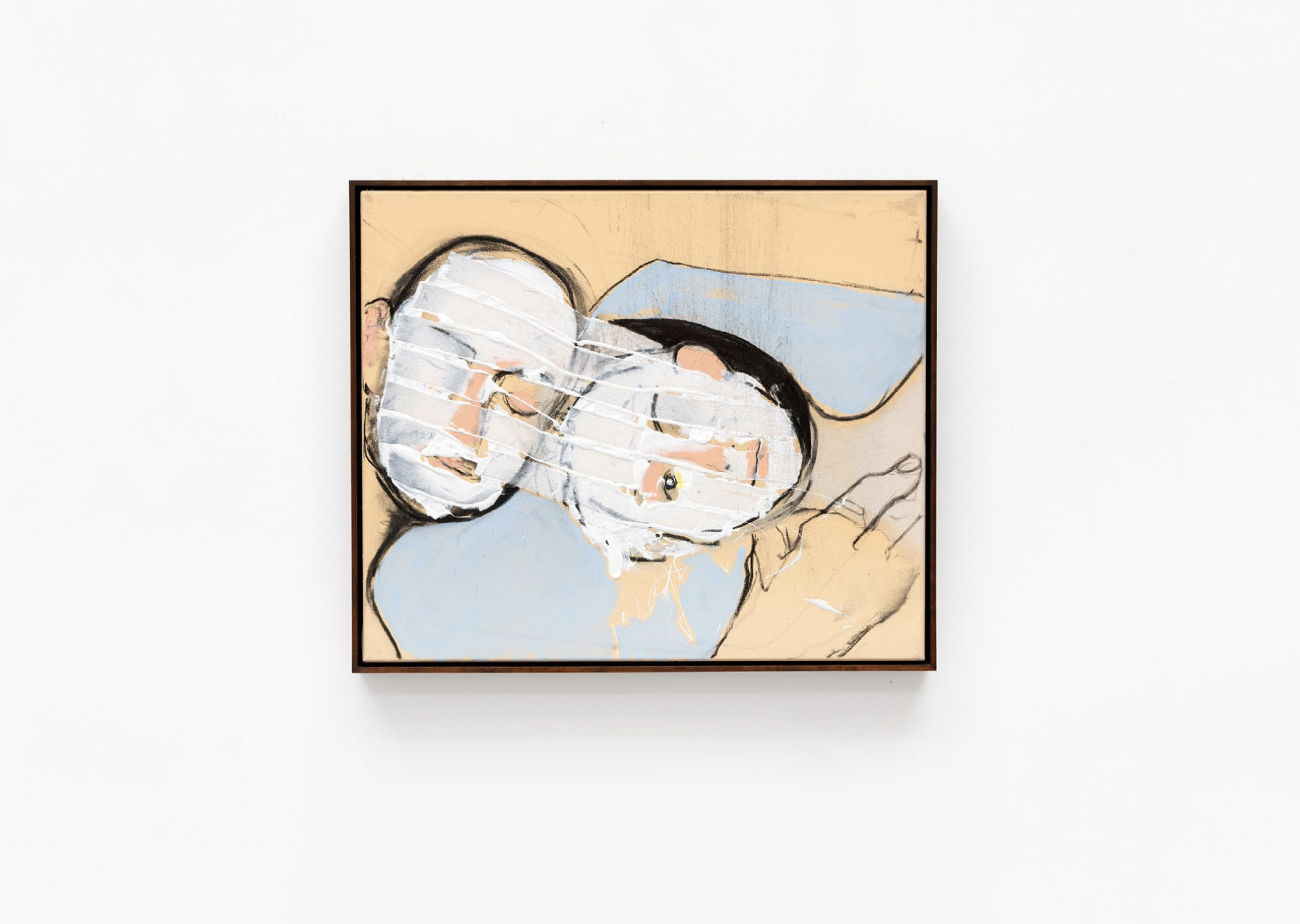
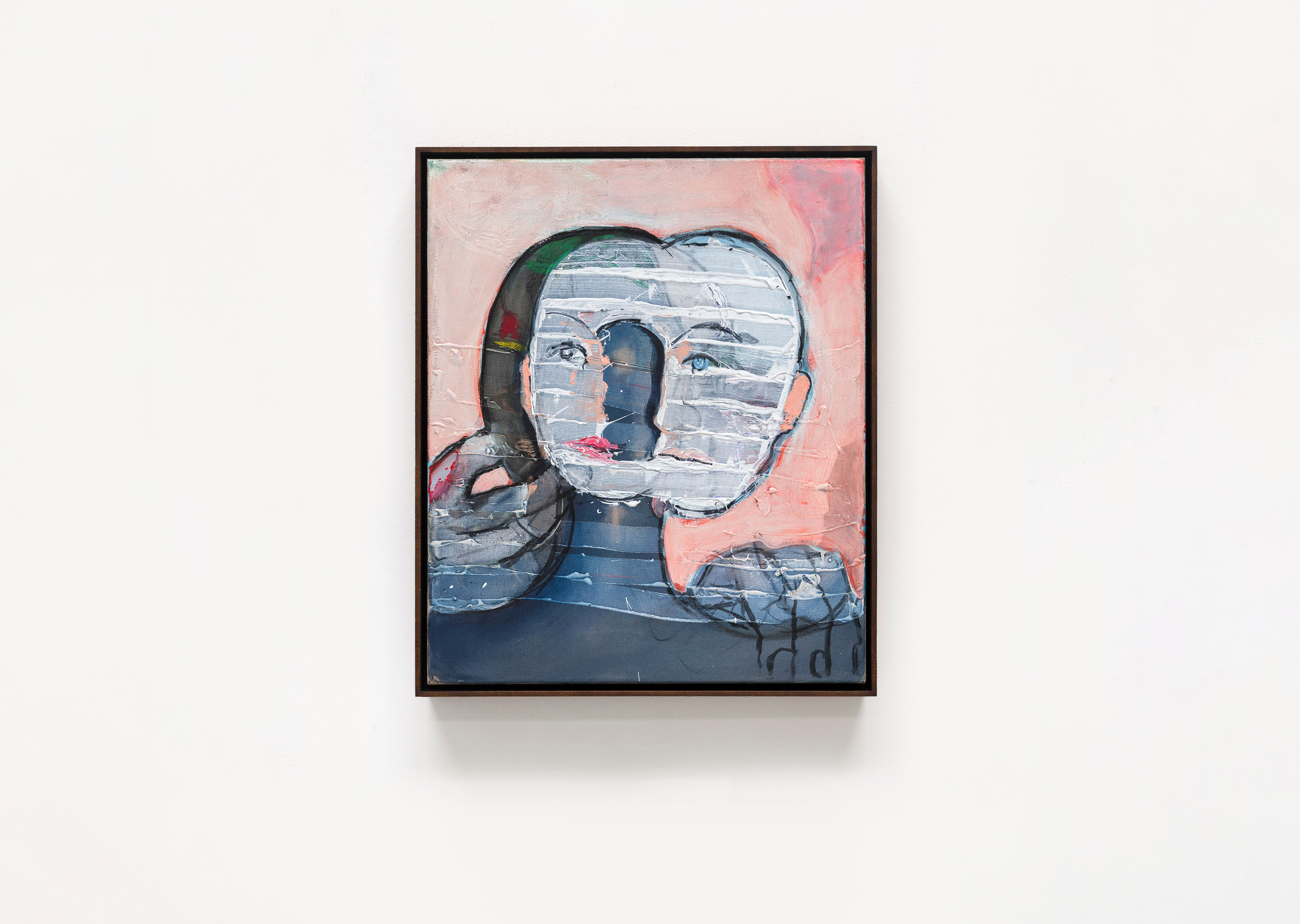
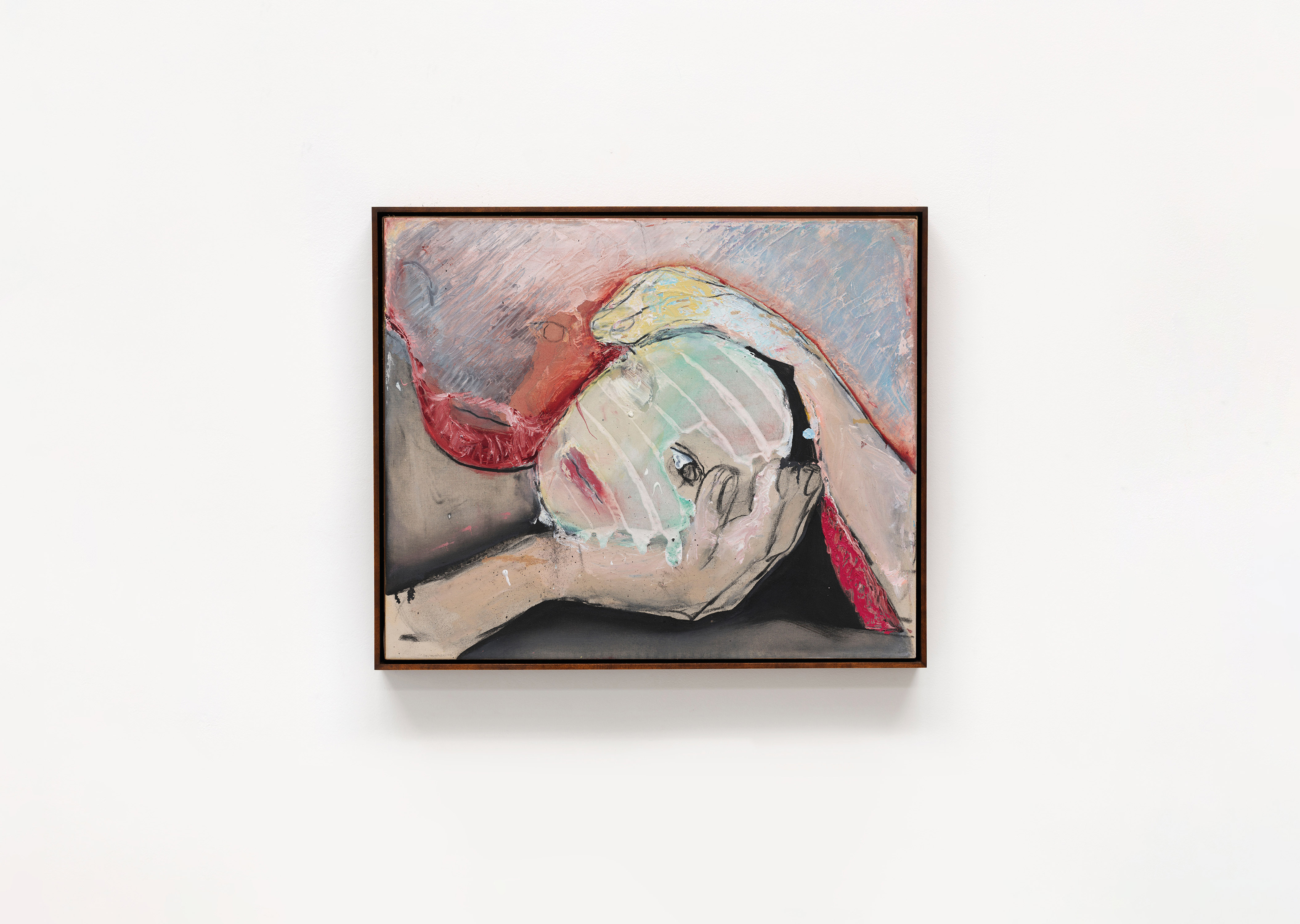
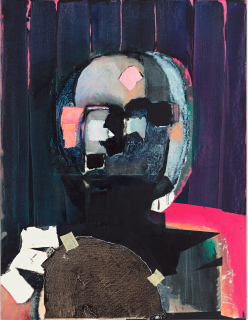
Plessen’s multidisciplinary background continues to inform a distinctive painterly practice that explores the porous boundary between abstraction and figuration. Through fragmented representations, dynamic compositions, and an expressive use of paint, he creates works that challenge conventional notions of space and perception, resulting in images that are characterized by their materiality and emotional complexity.
Plessen’s work was presented at the 50th Venice Biennale (2003). It has been exhibited in numerous international museum exhibitions and is held by major public institutions such as Centre Pompidou (Paris), Museum of Contemporary Art (Los Angeles), Art Institute of Chicago (Chicago), Kunstsammlung Nordrhein-Westfalen (Düsseldorf), Walker Art Center (Minneapolis), Pinakothek der Moderne (Munich), Museum of Modern Art (New York), and Rose Art Museum (Waltham).
It is also included in prominent private collections including Fundación Amparo y Manuel (Mexico City), Goetz Collection (Munich), Jorge M. Pérez Collection, El Espacio 23 (Miami), Rachofsky Collection (Dallas), and Rubell Collection (Miami).
Since 2019, he has been Professor of Painting at the Staatliche Akademie der Bildenden Künste in Karlsruhe.
Magnus Plessen is also represented by Mai 36 Galerie (Zurich), Konrad Fischer Galerie (Düsseldorf, Berlin), Wentrup (Berlin), and White Cube (London, Paris, Hong Kong, New York). His first solo exhibition with Galerie Lelong will open in Paris on October 19, 2026.