Biography
Spanish sculptor, engraver, and draftsman Eduardo Chillida was born in 1924 in San Sebastián and died in 2002 in the same city. After studying architecture between 1943 and 1947, he abandoned his studies to attend the Academy of Fine Arts in Madrid.
He moved to Paris, settled in the Spanish Pavilion at the Cité Universitaire, and exhibited for the first time in 1949 at the Salon de Mai. He forged friendships with Tàpies and Marino di Teana. Thanks to Pablo Palazuelo, he took part in a group exhibition of young artists at the Maeght Gallery in 1950, where he returned in 1956 for his first solo exhibition and became one of the gallery's artists.
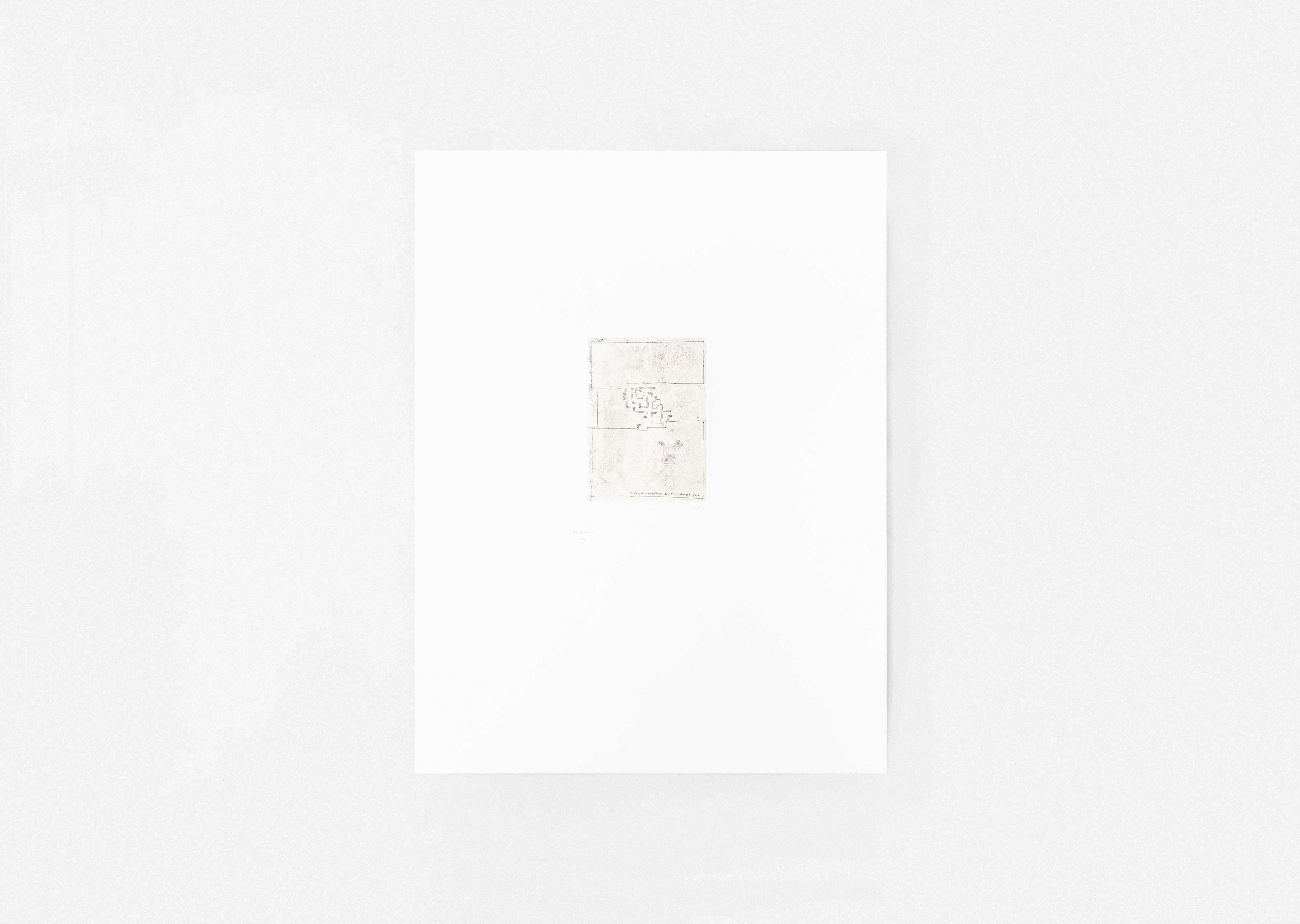
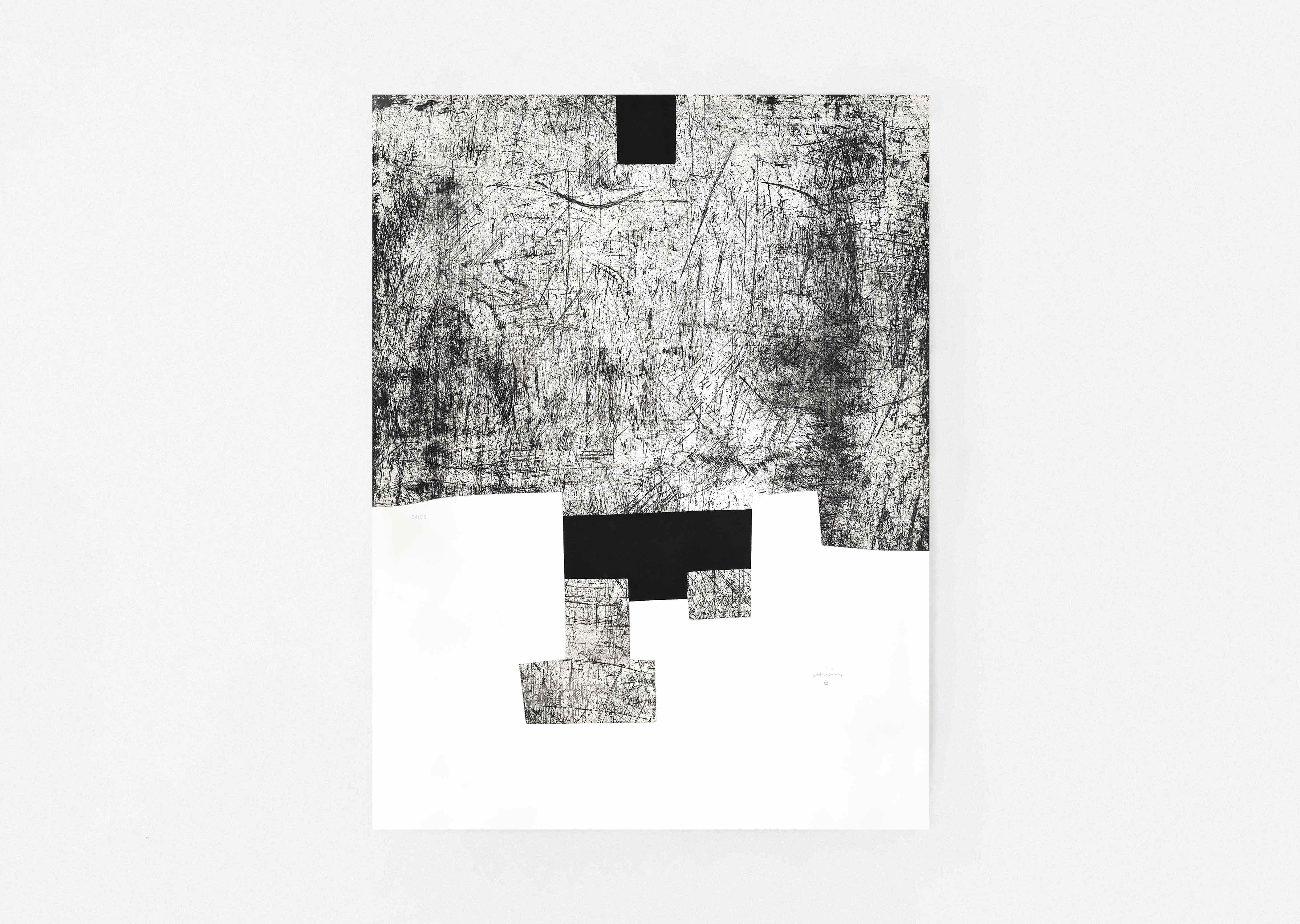
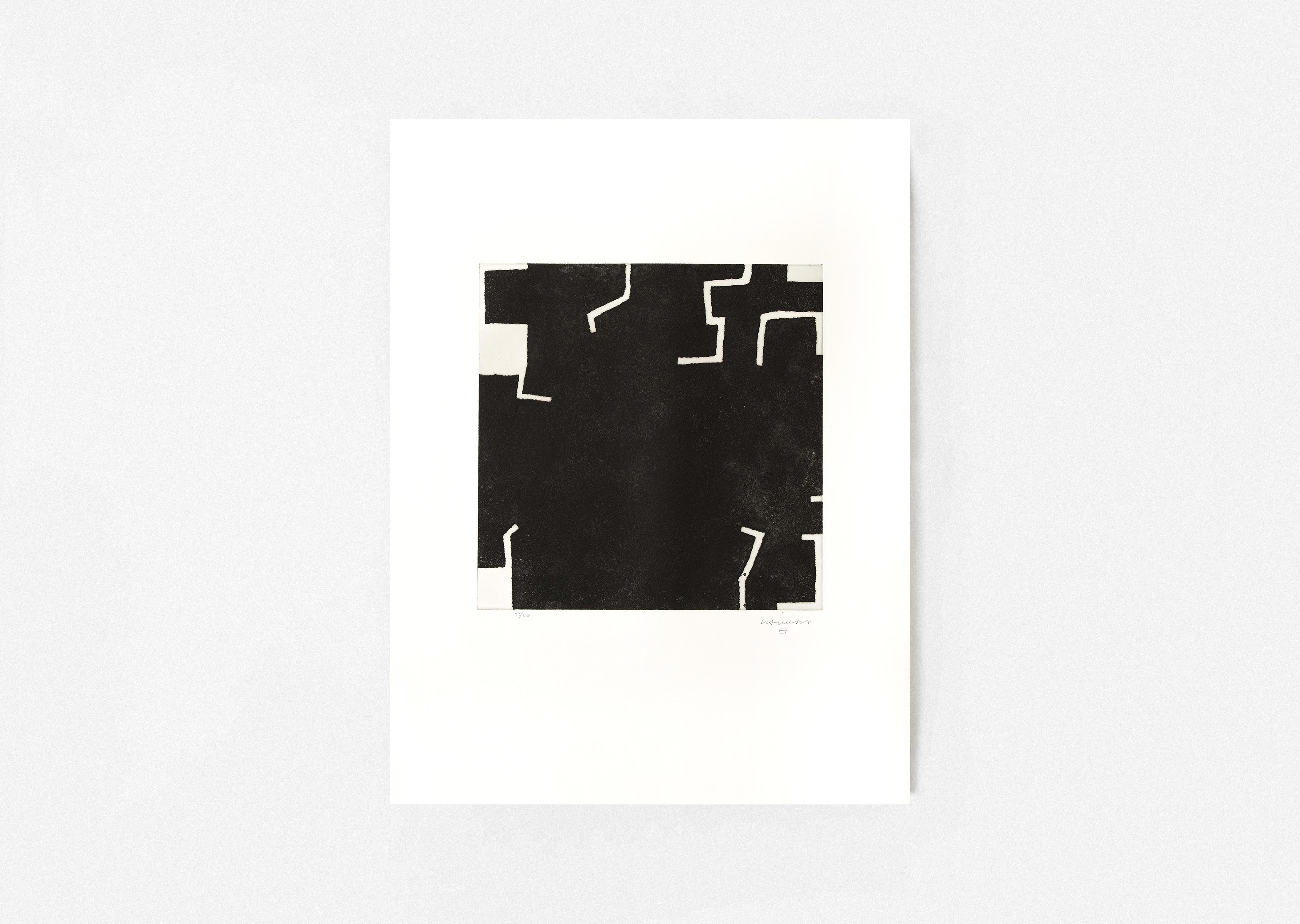
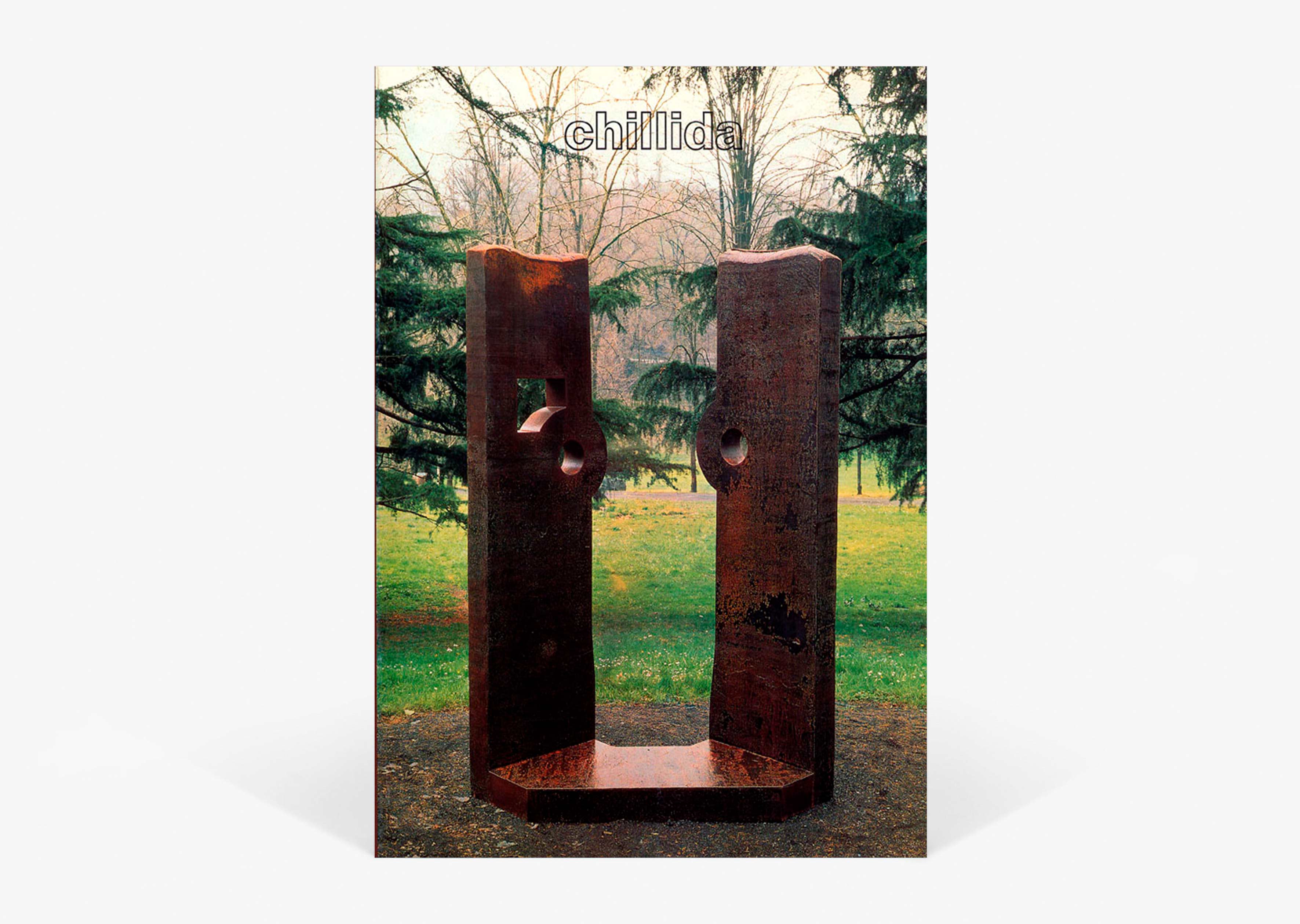
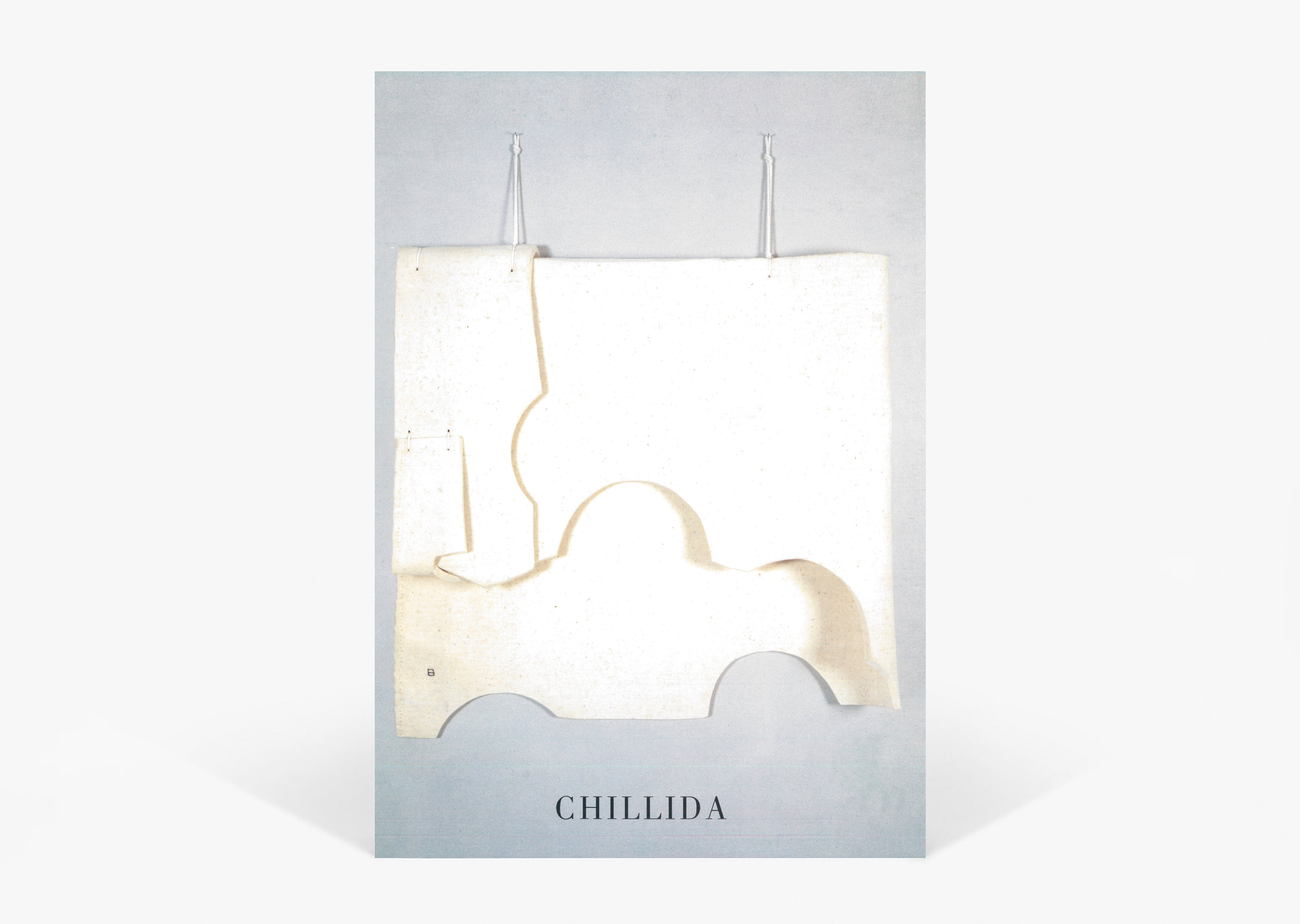
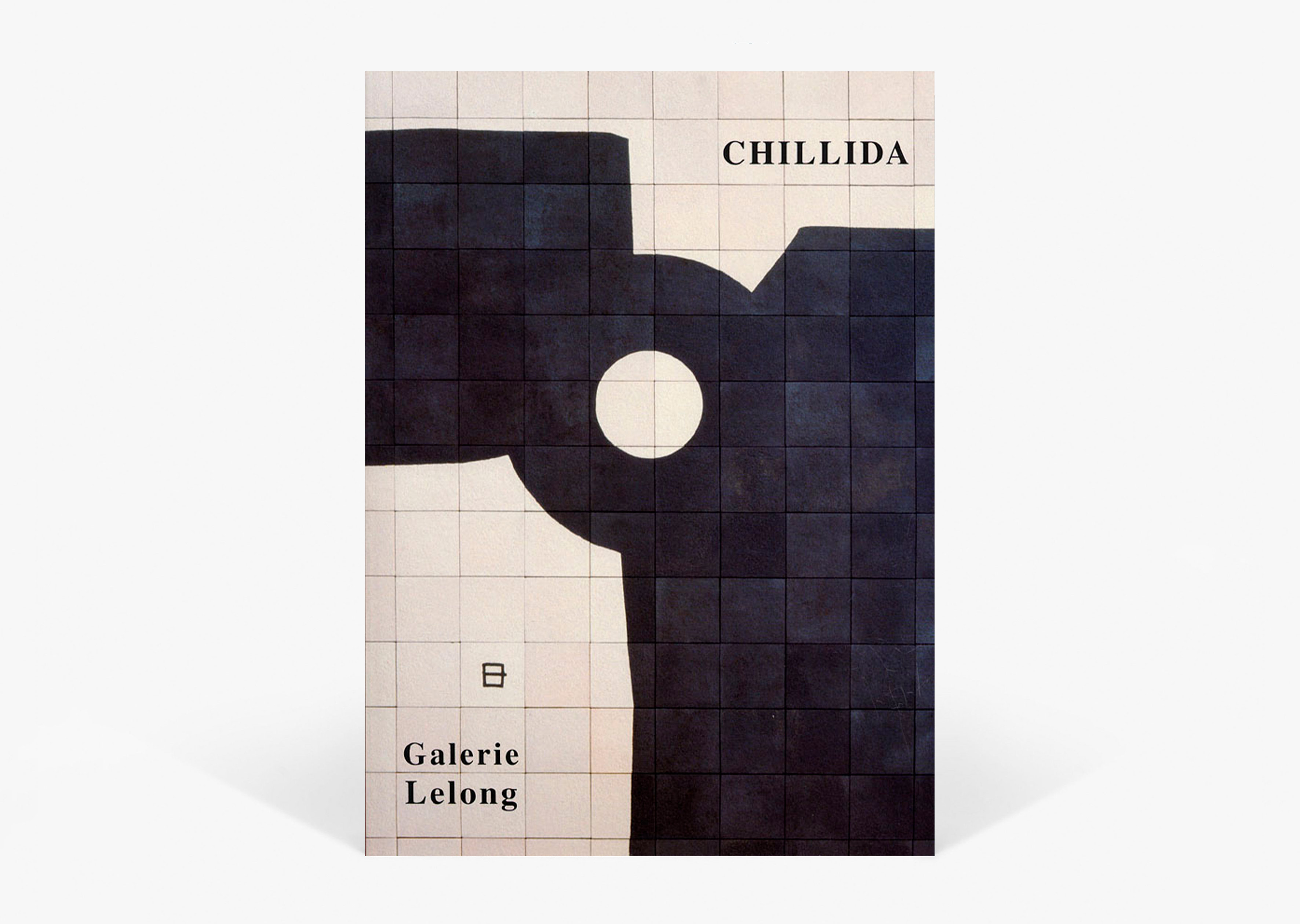
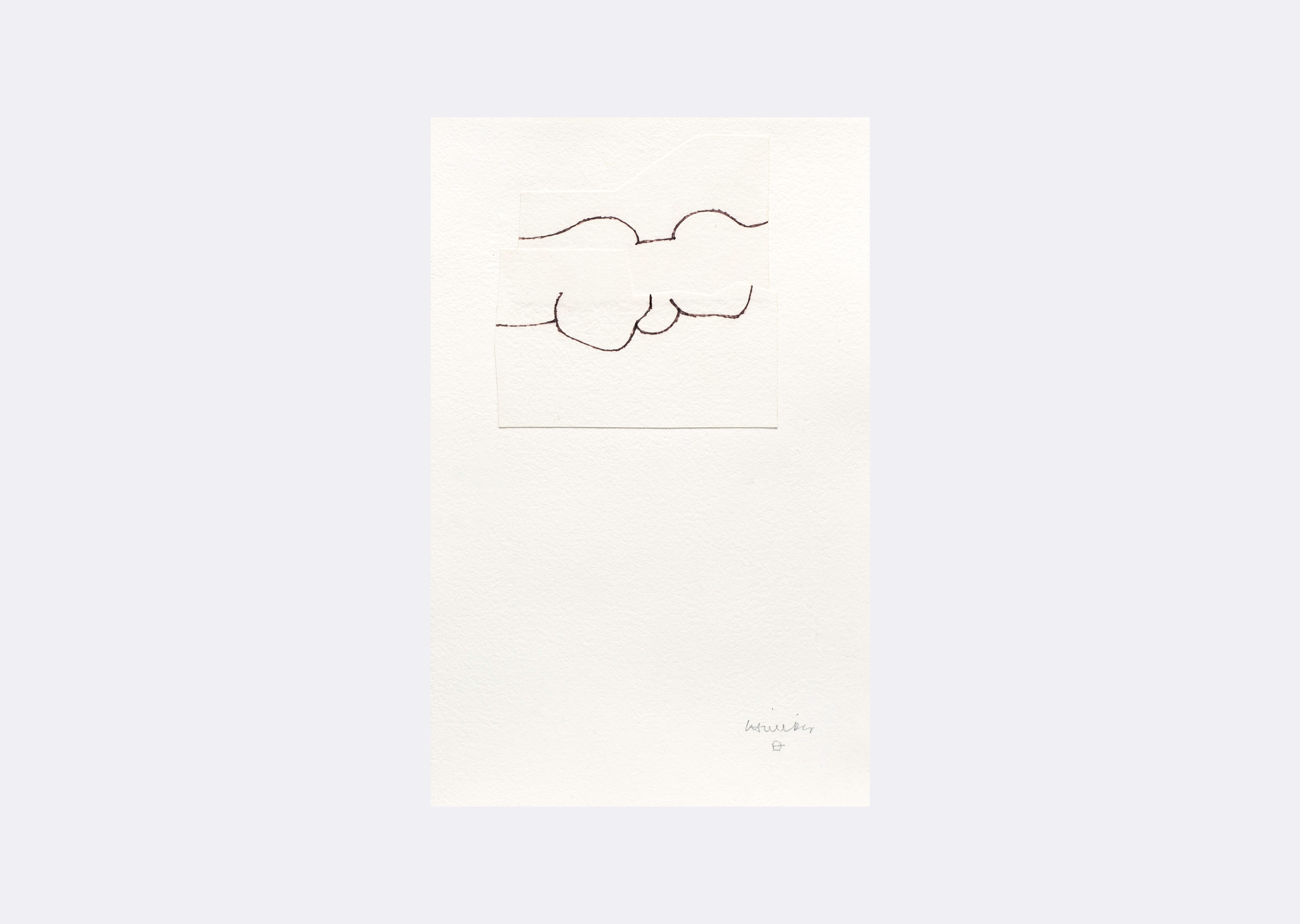
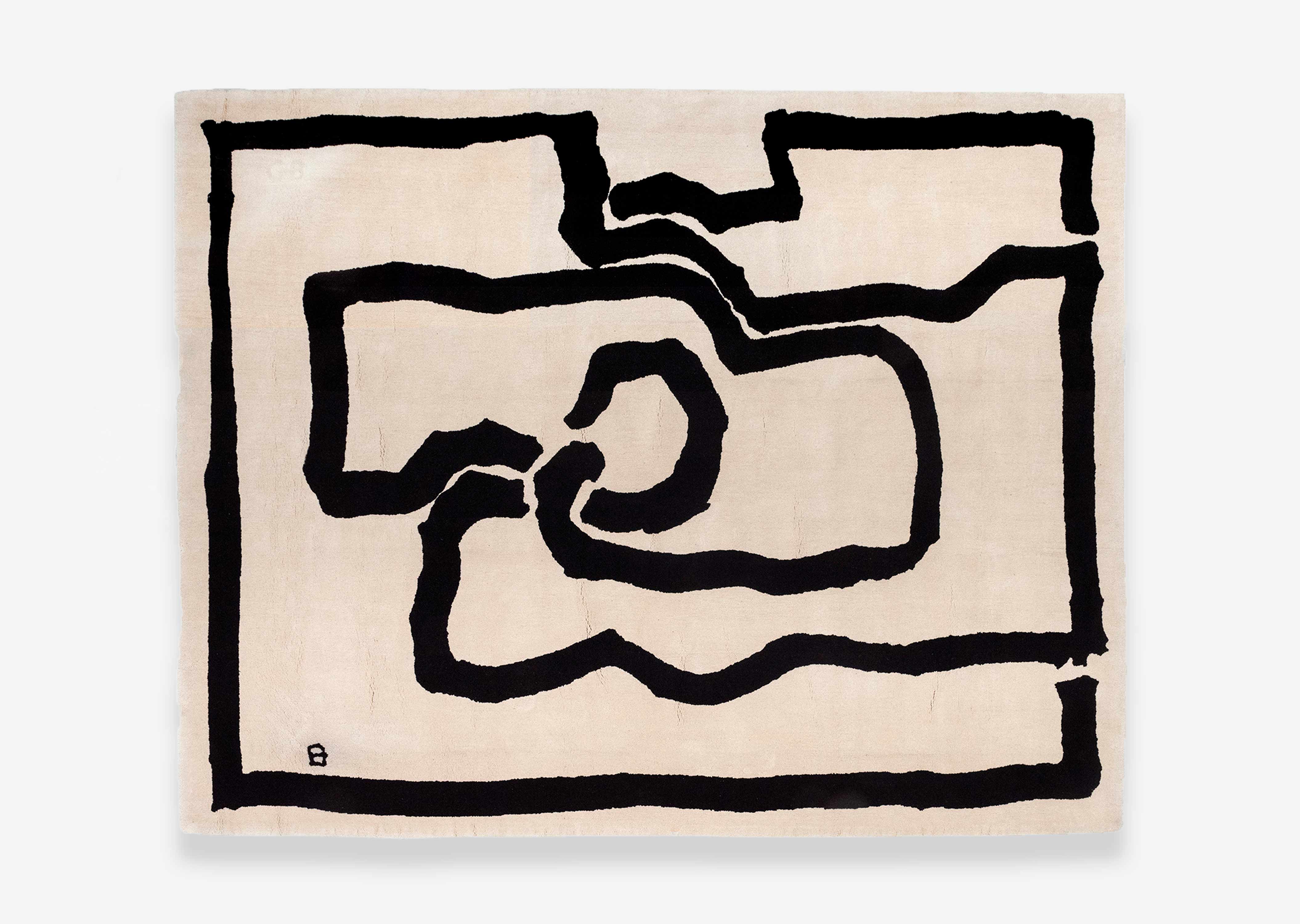
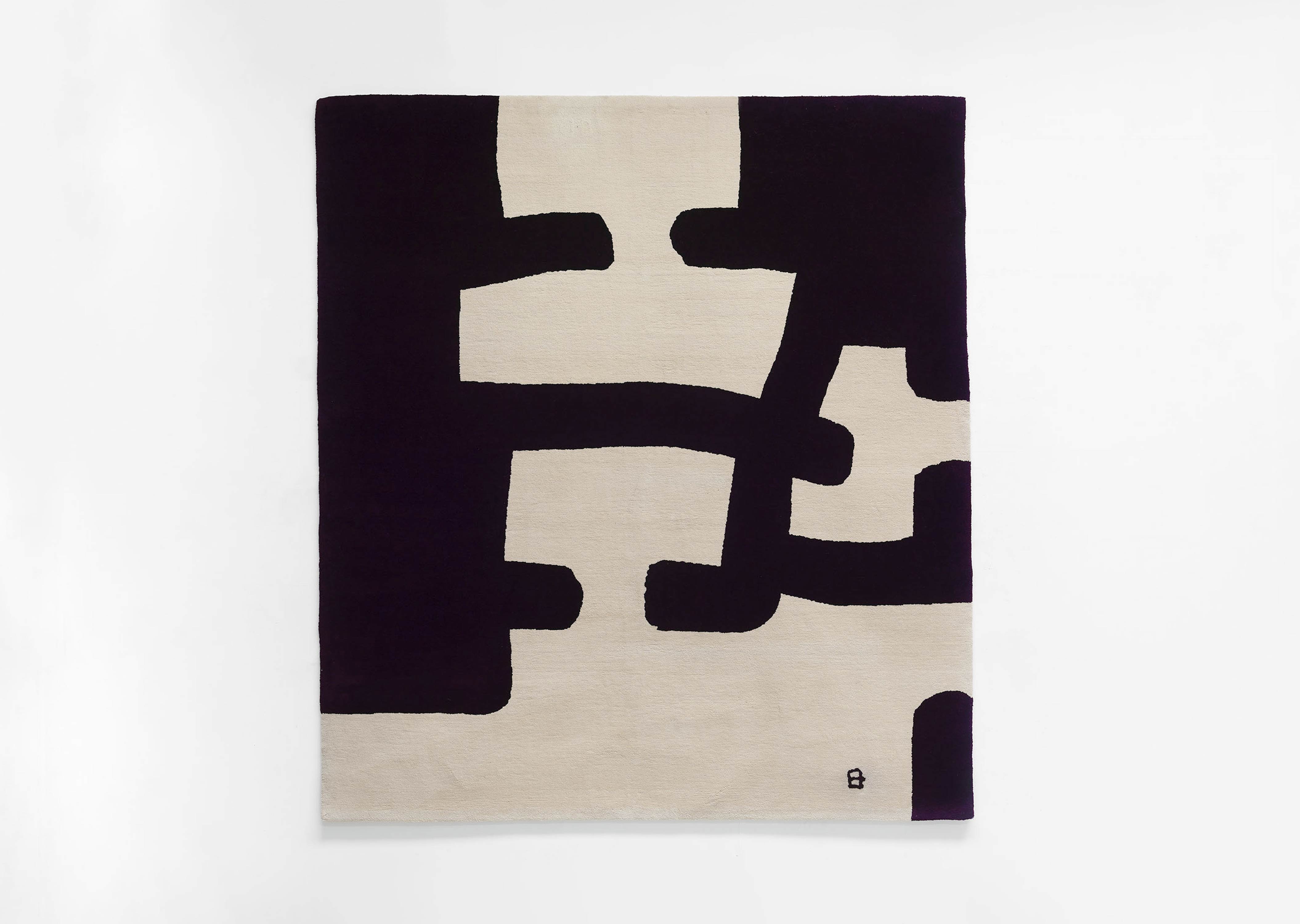
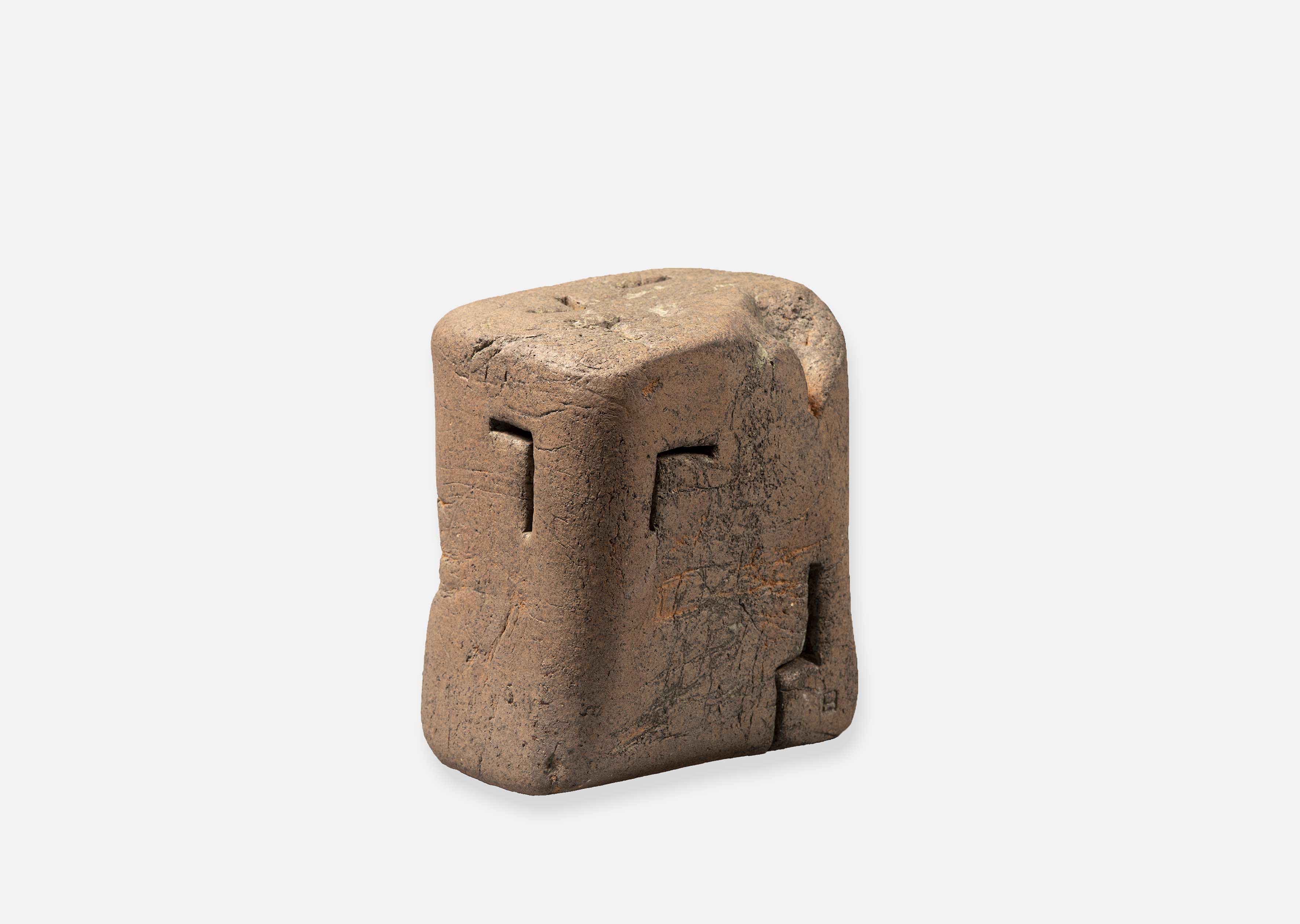
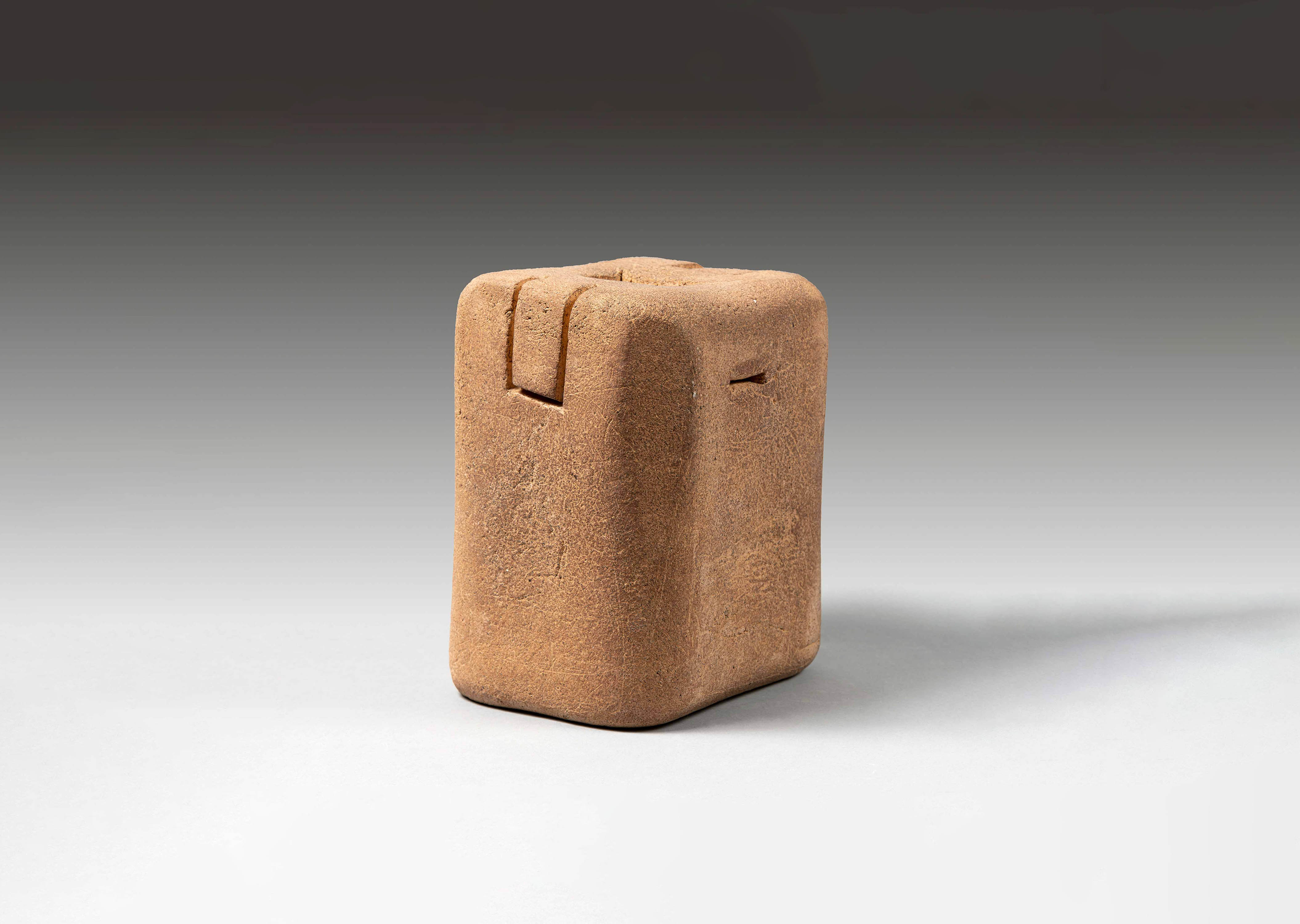
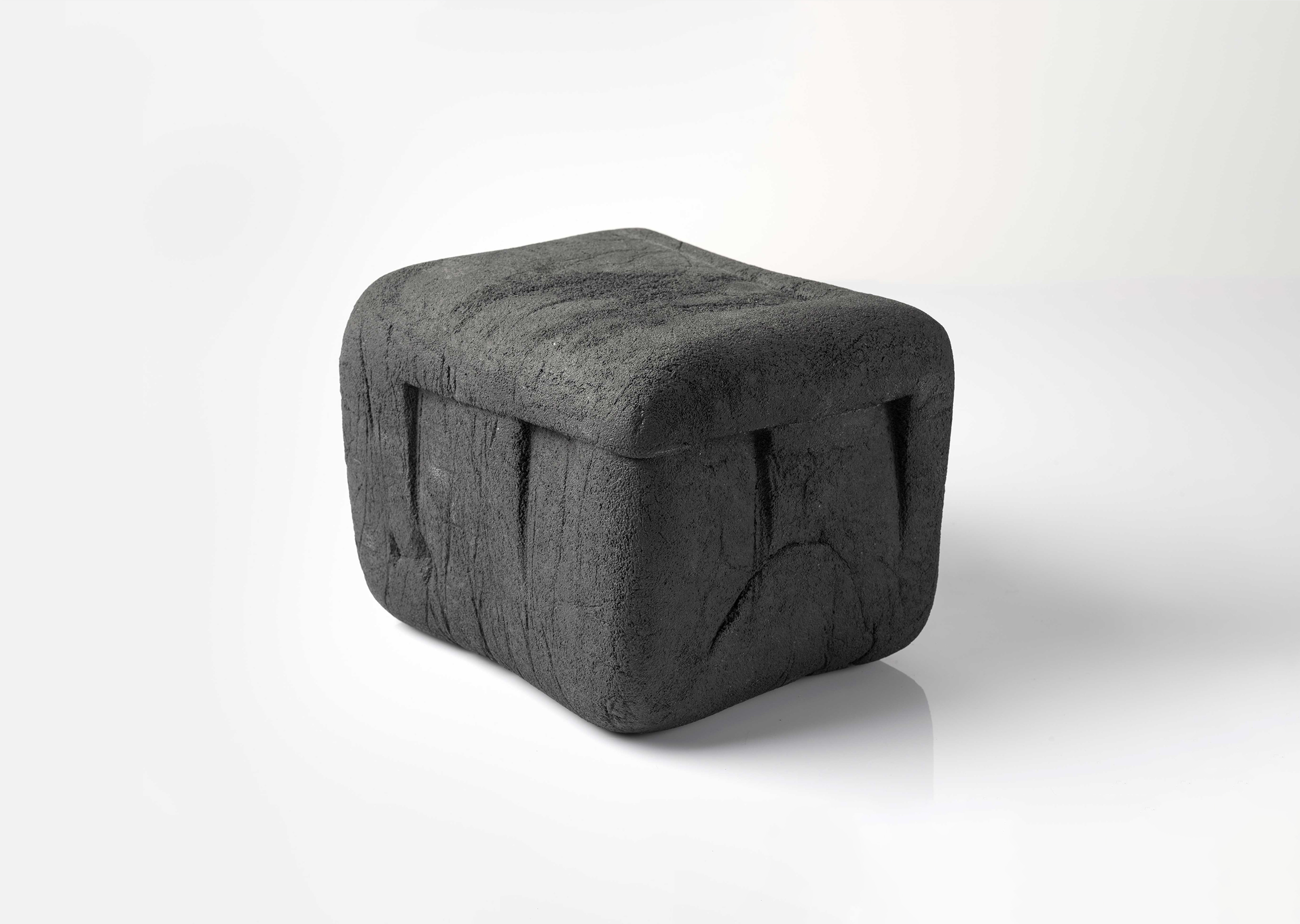
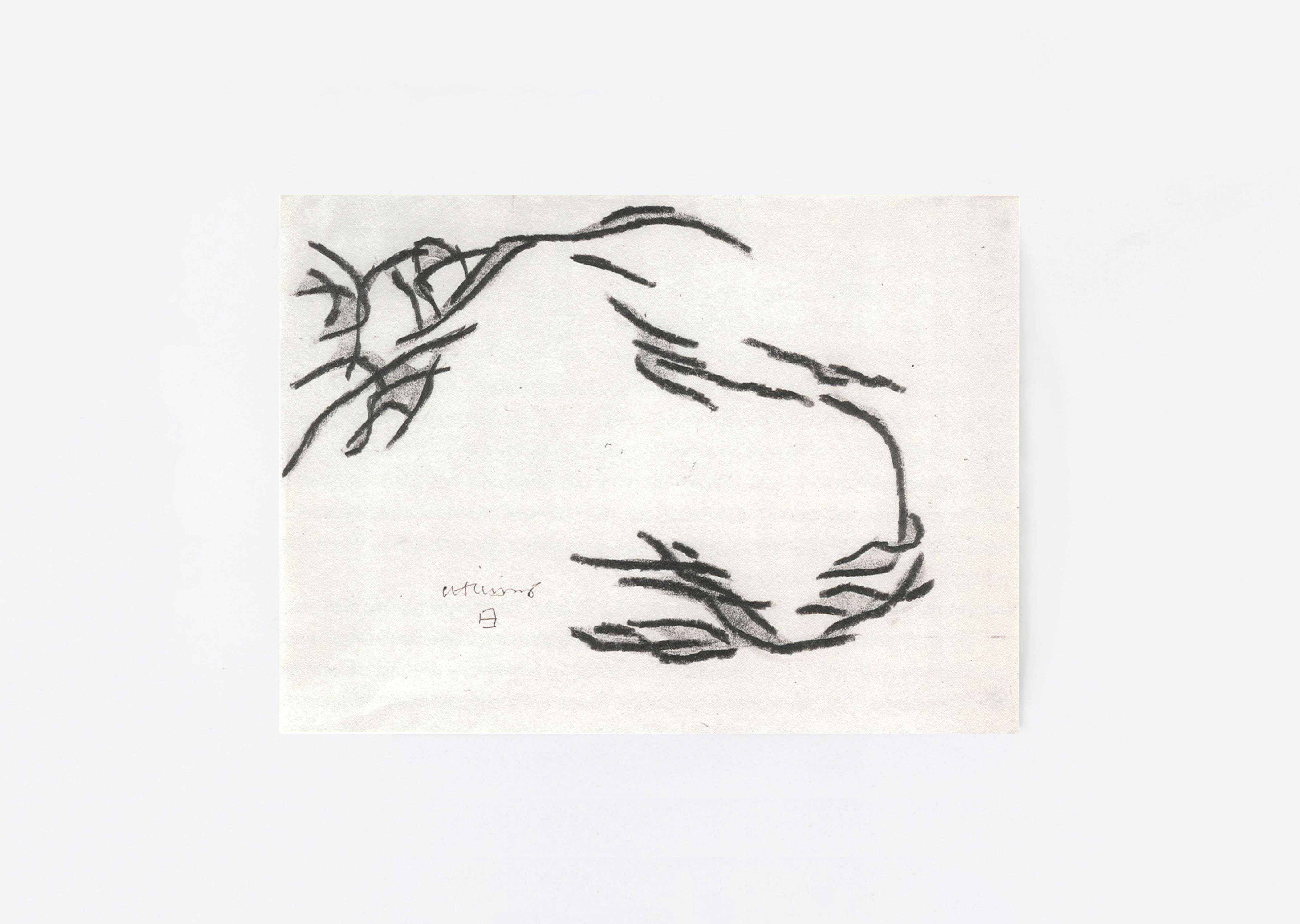
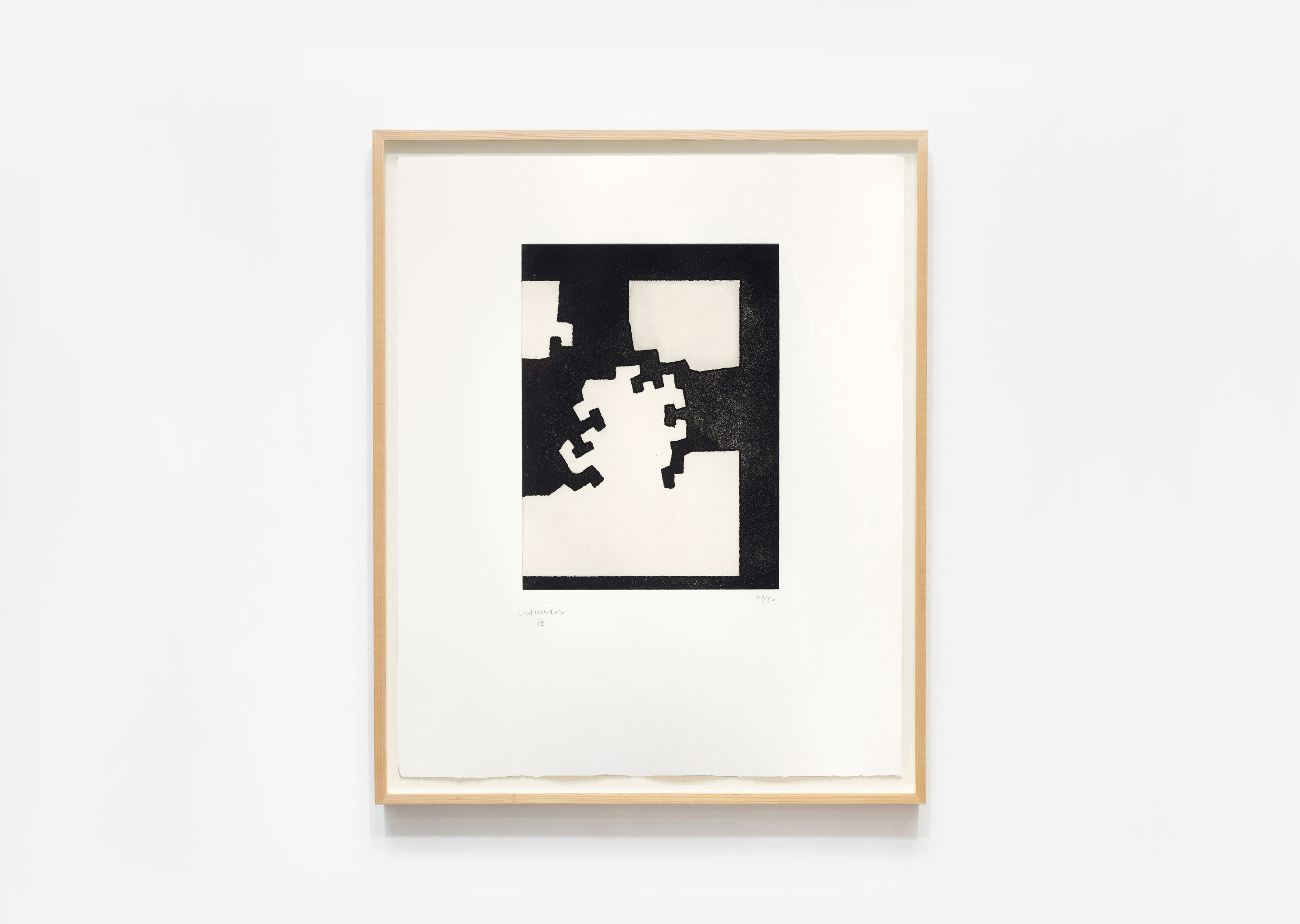
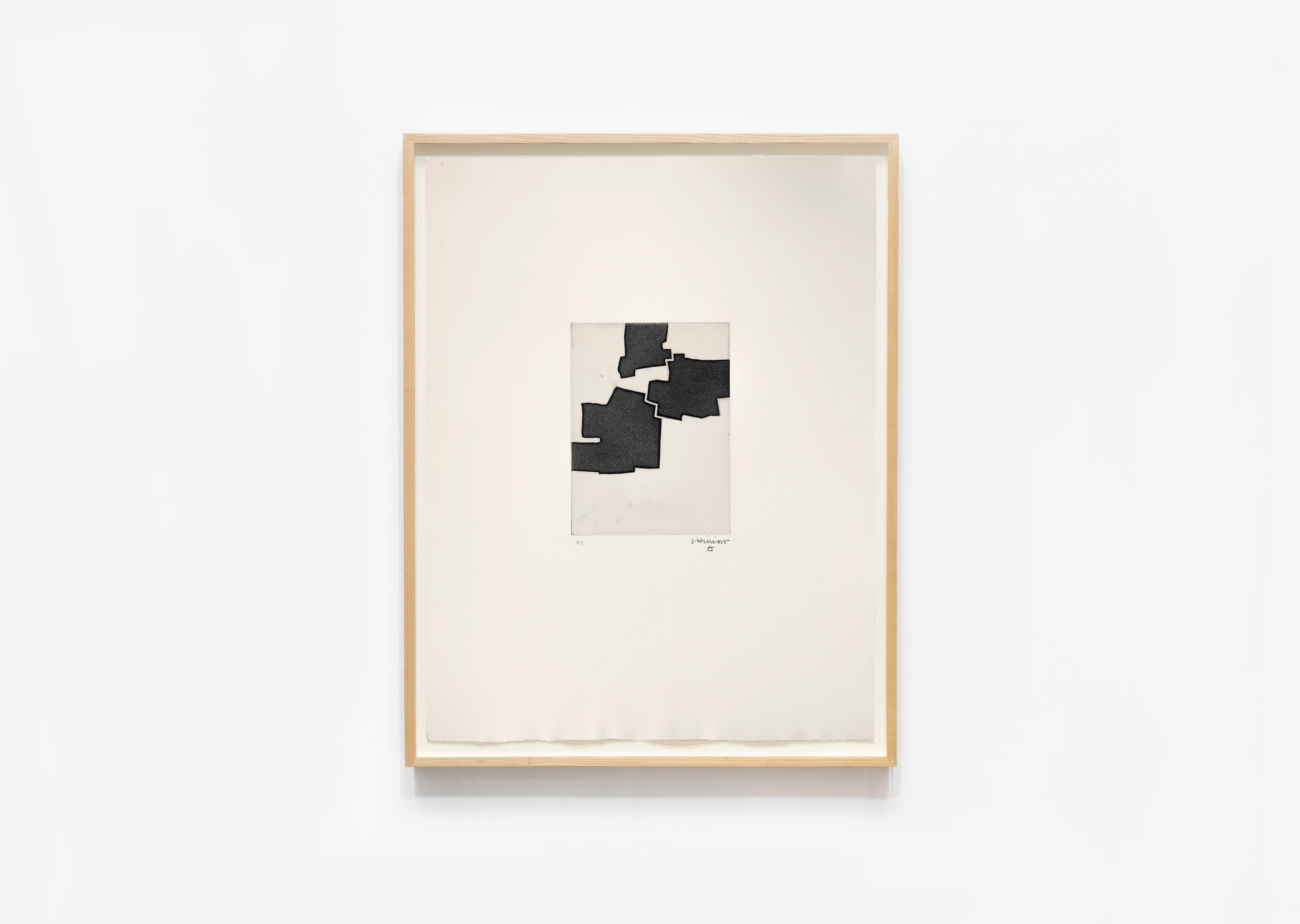
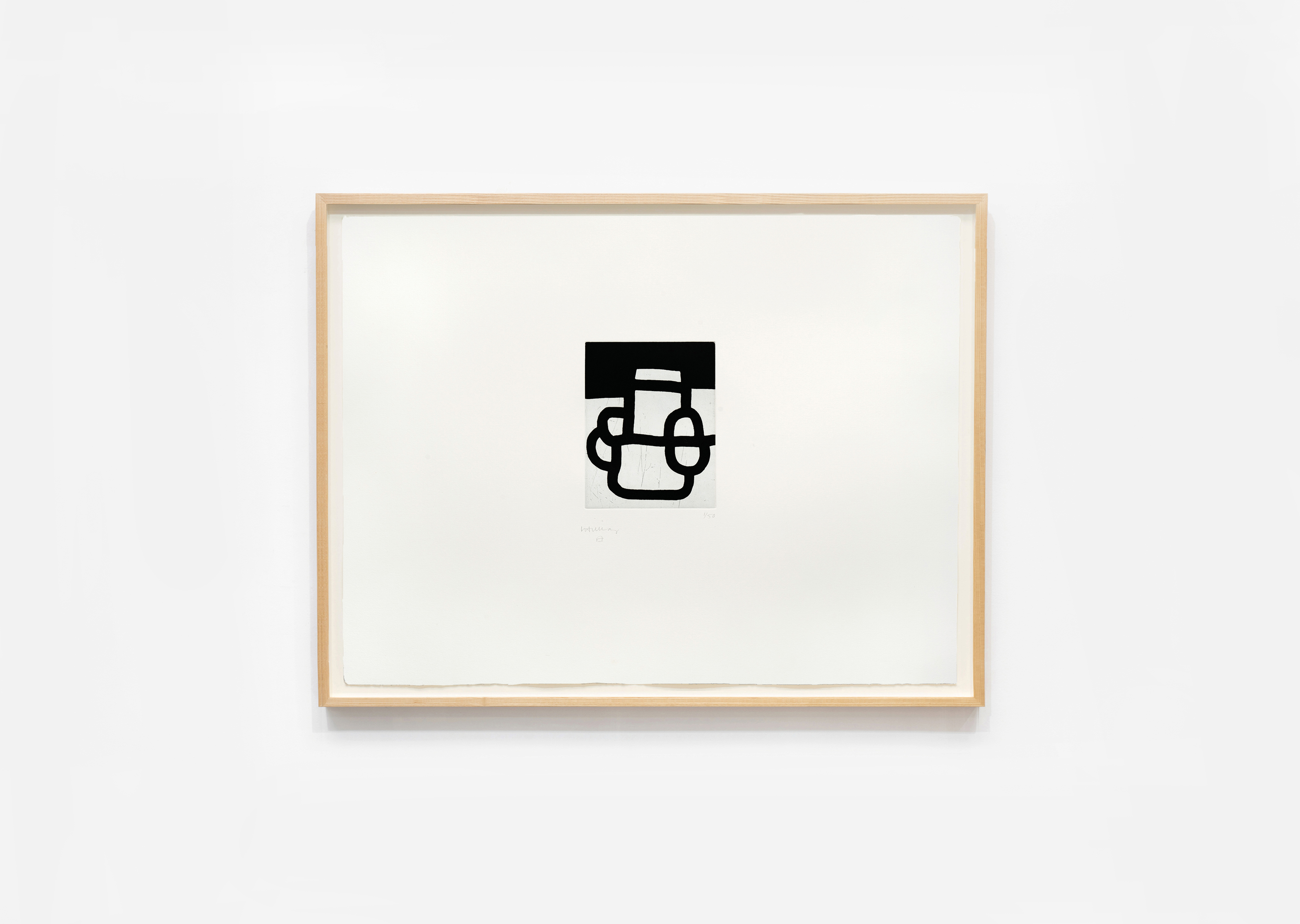
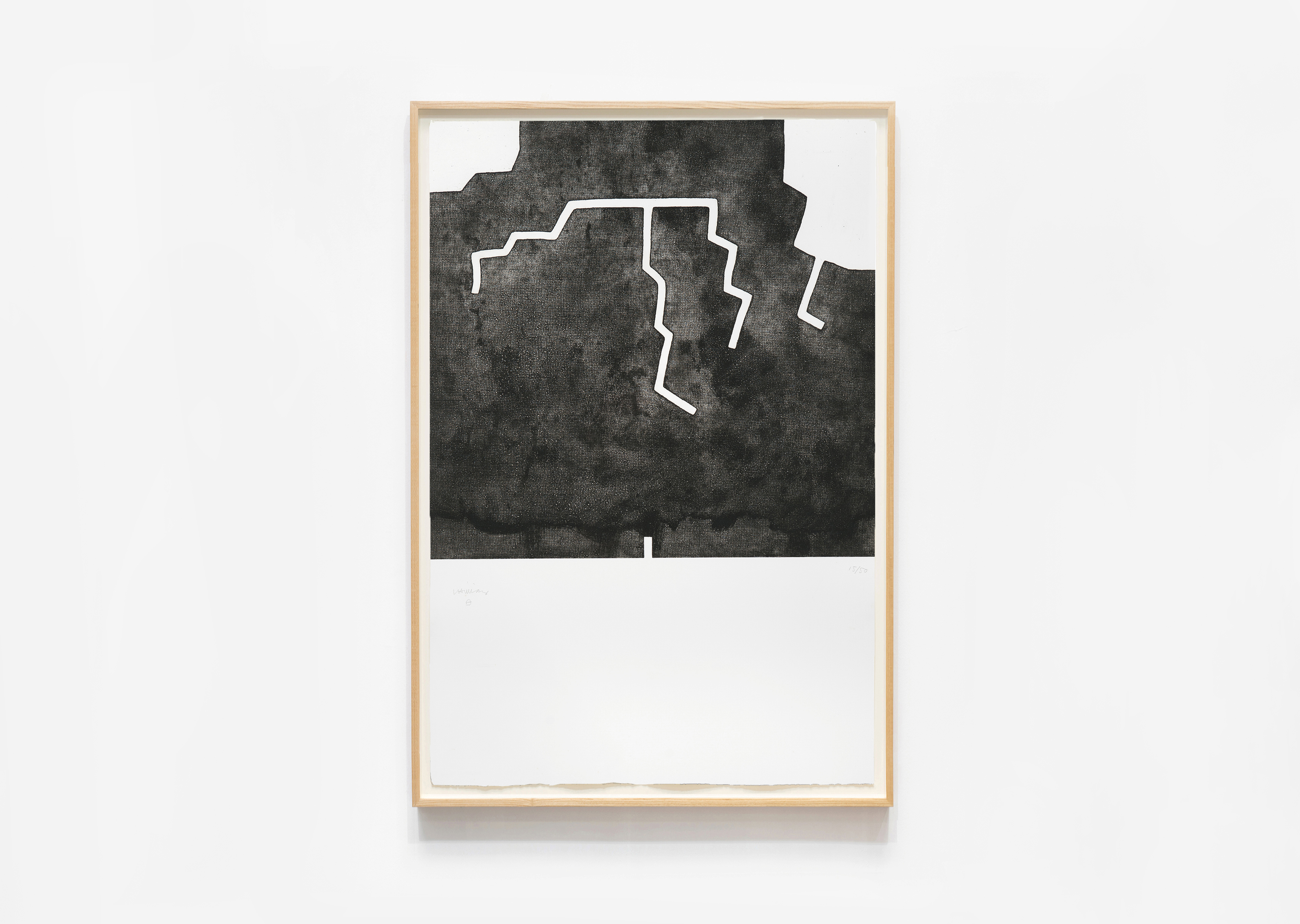
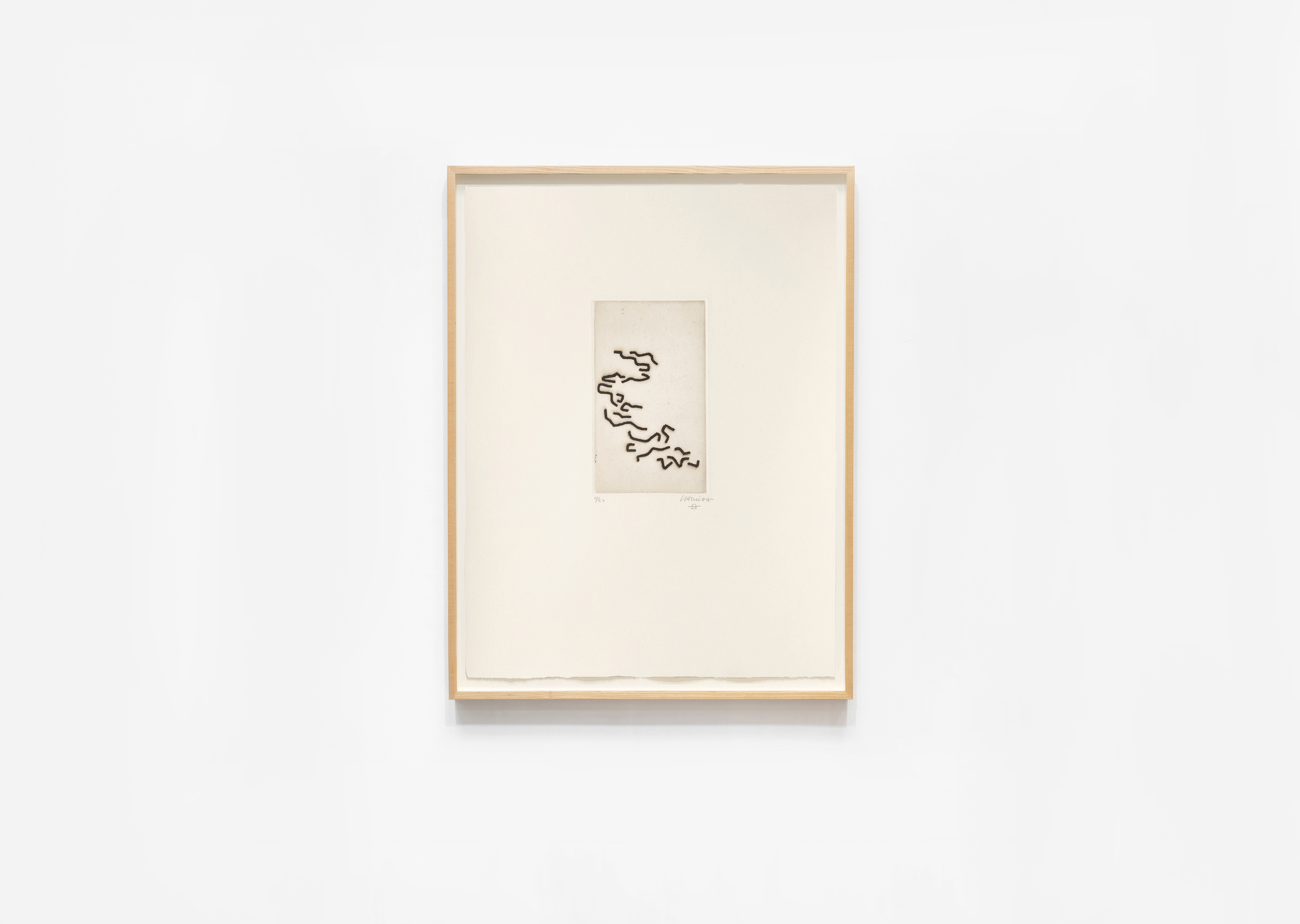
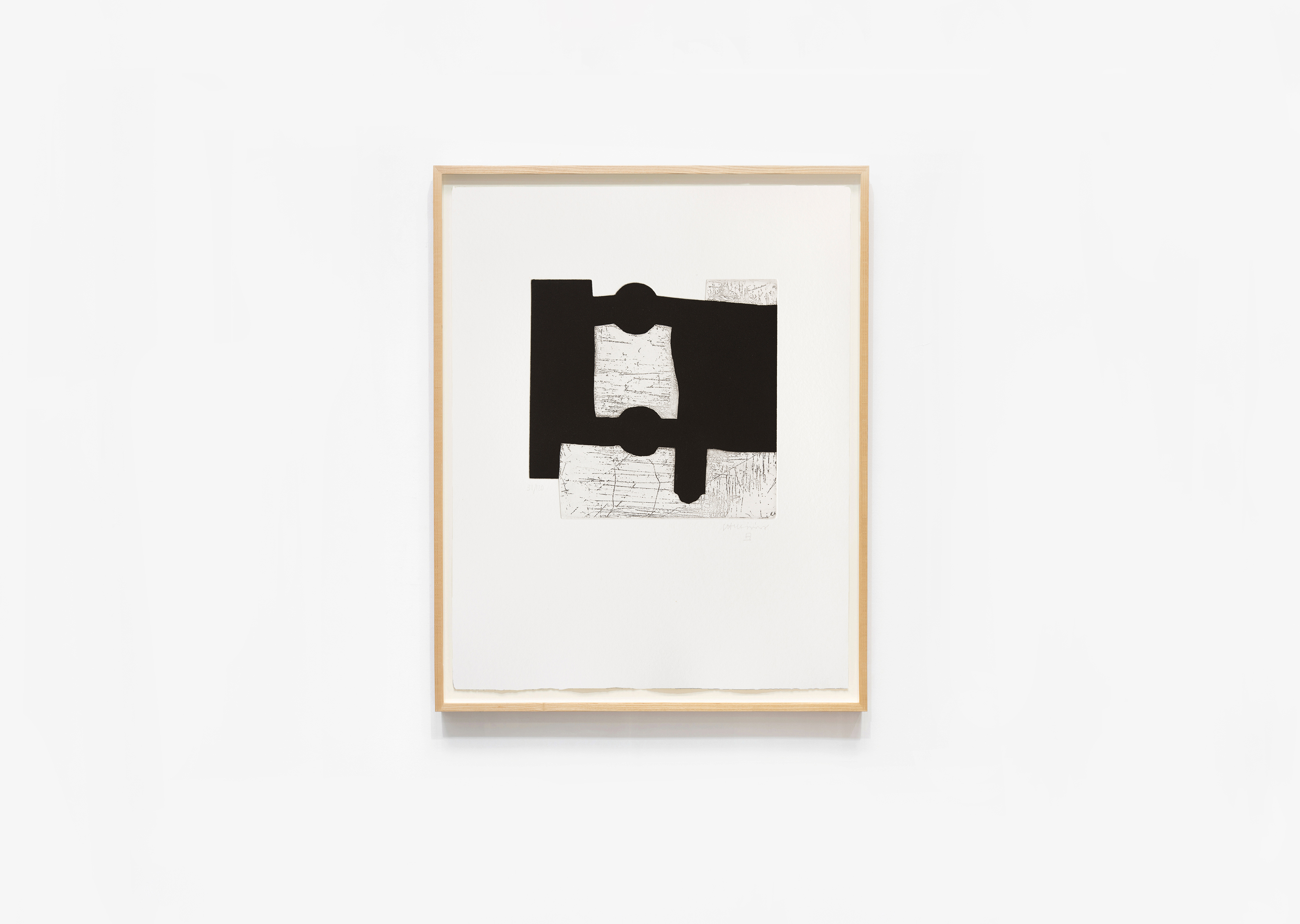
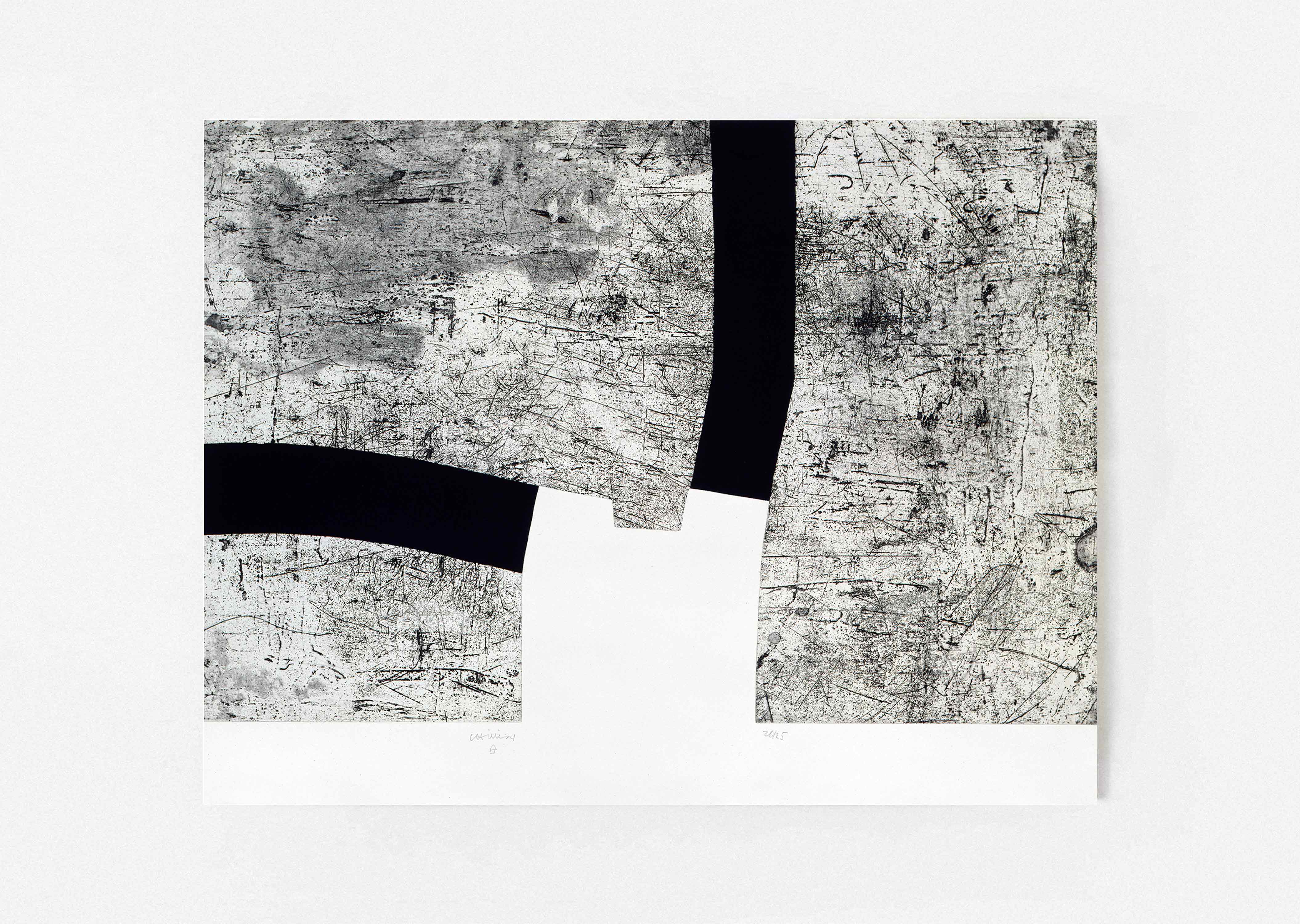
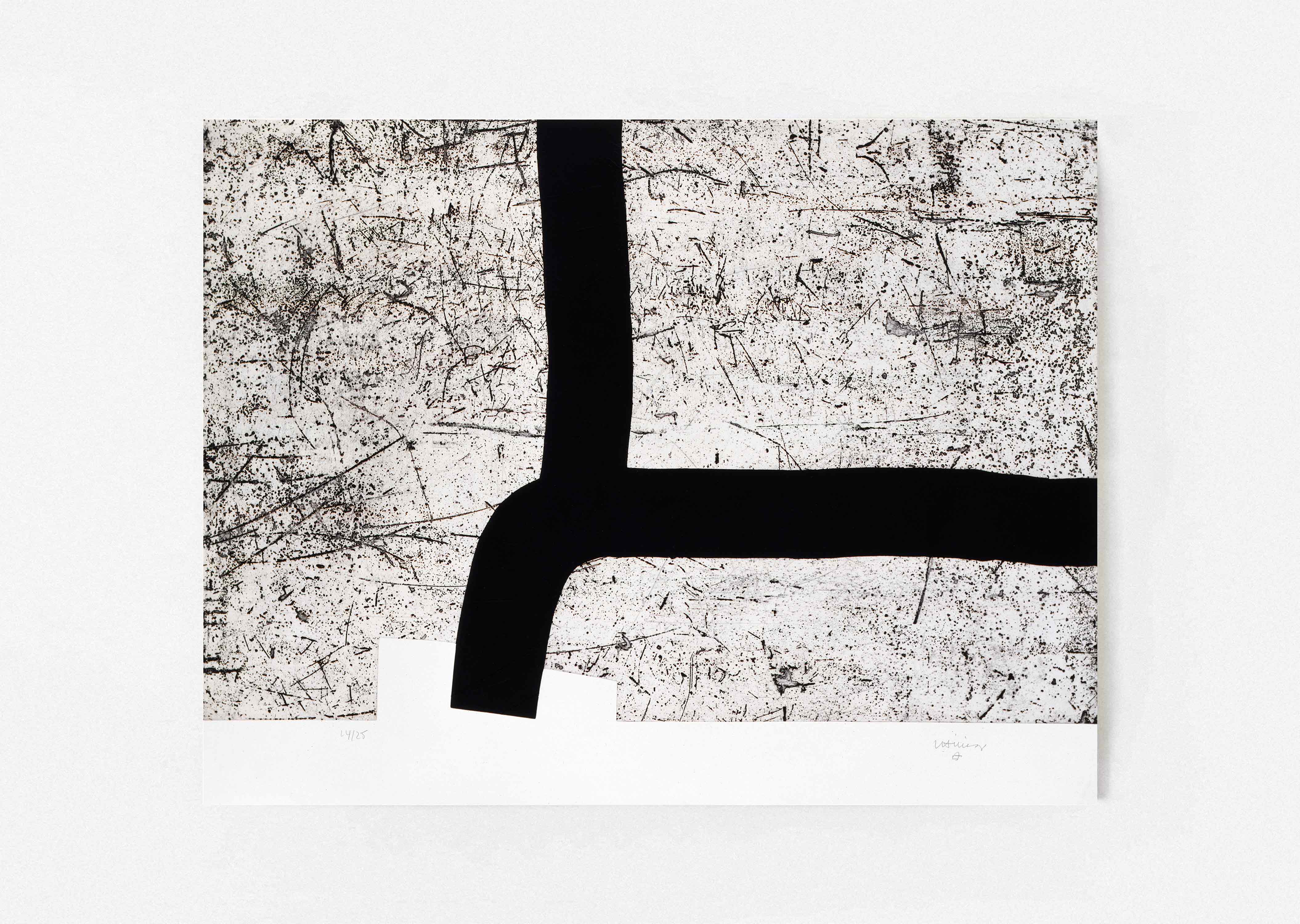
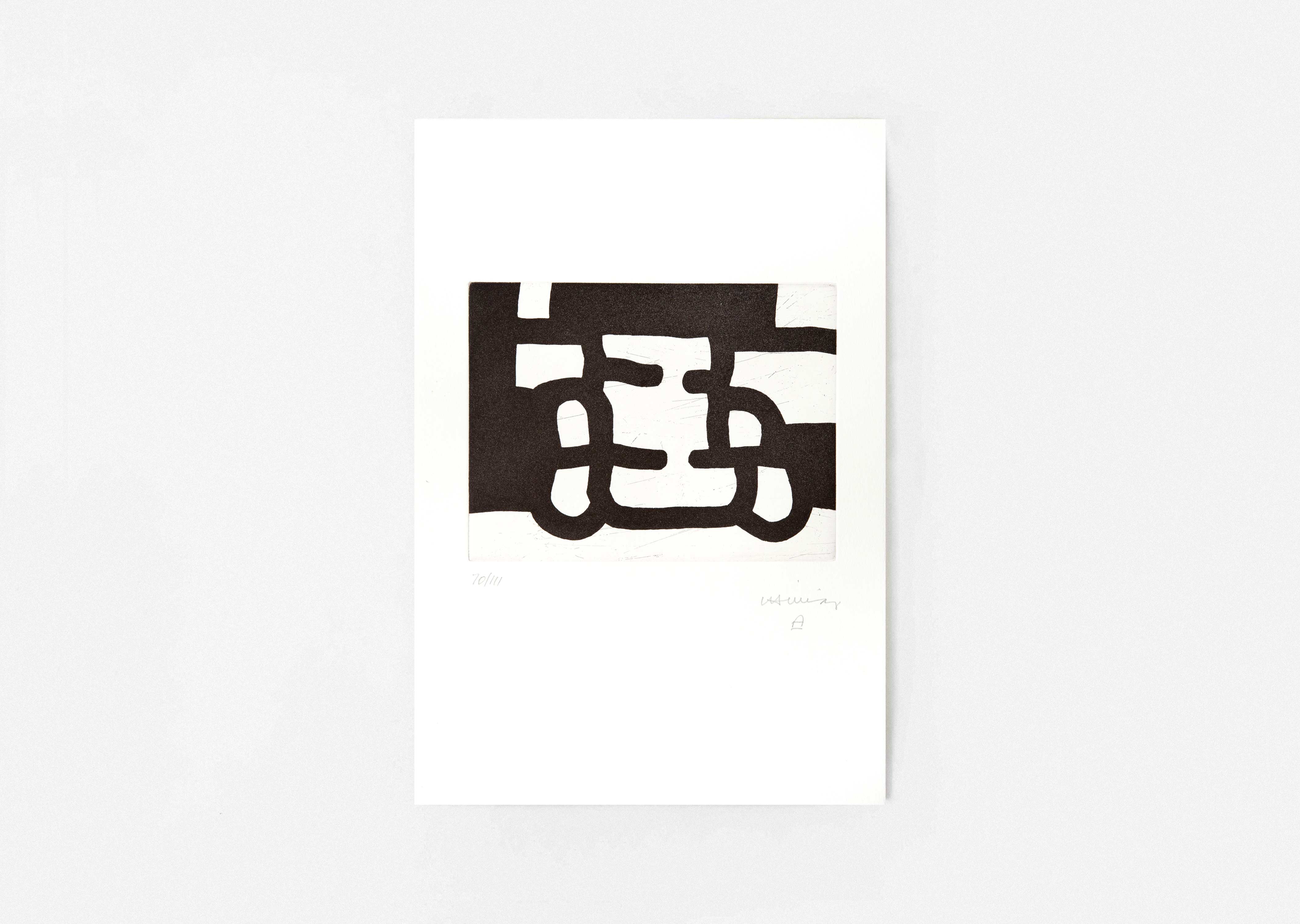
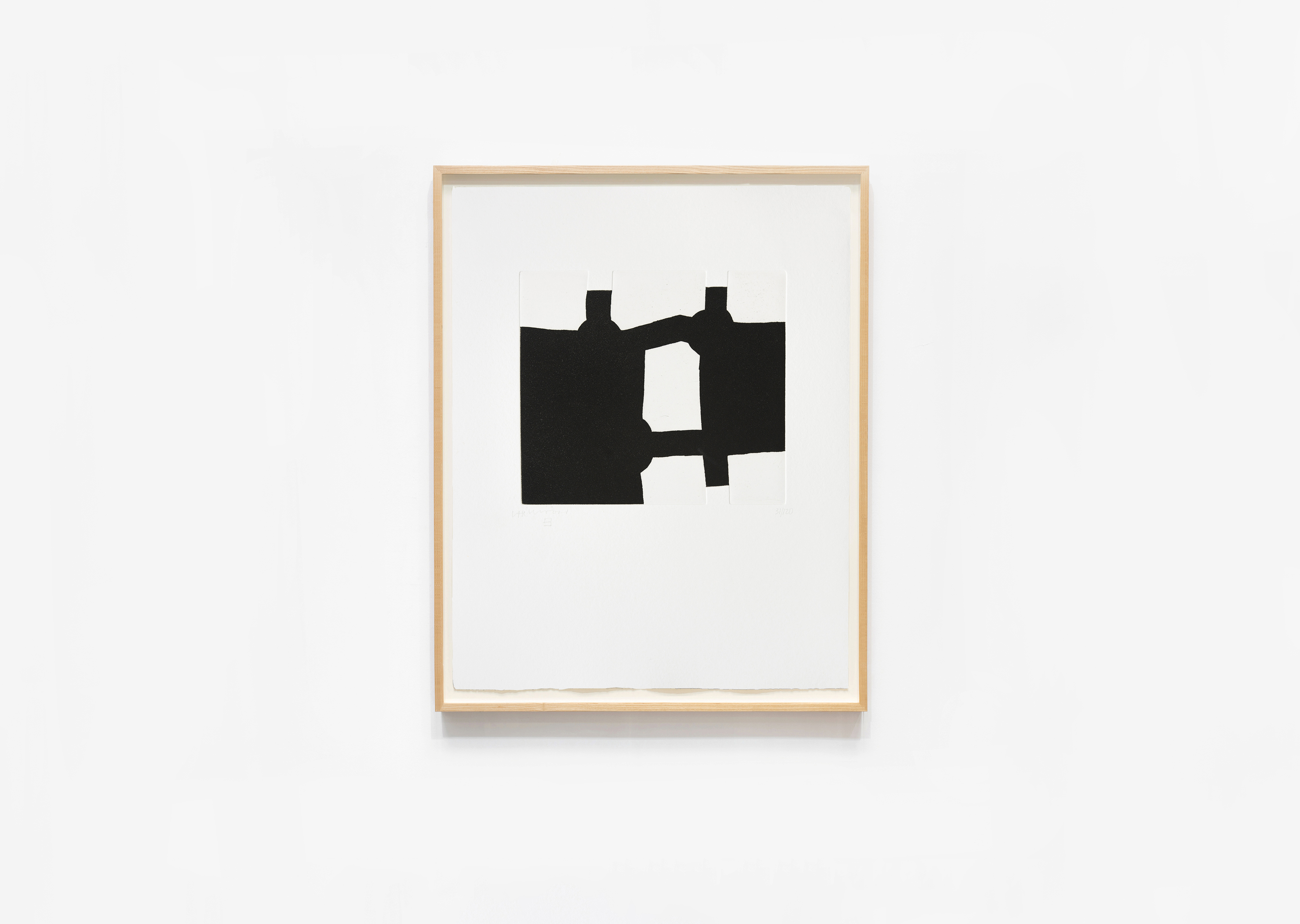
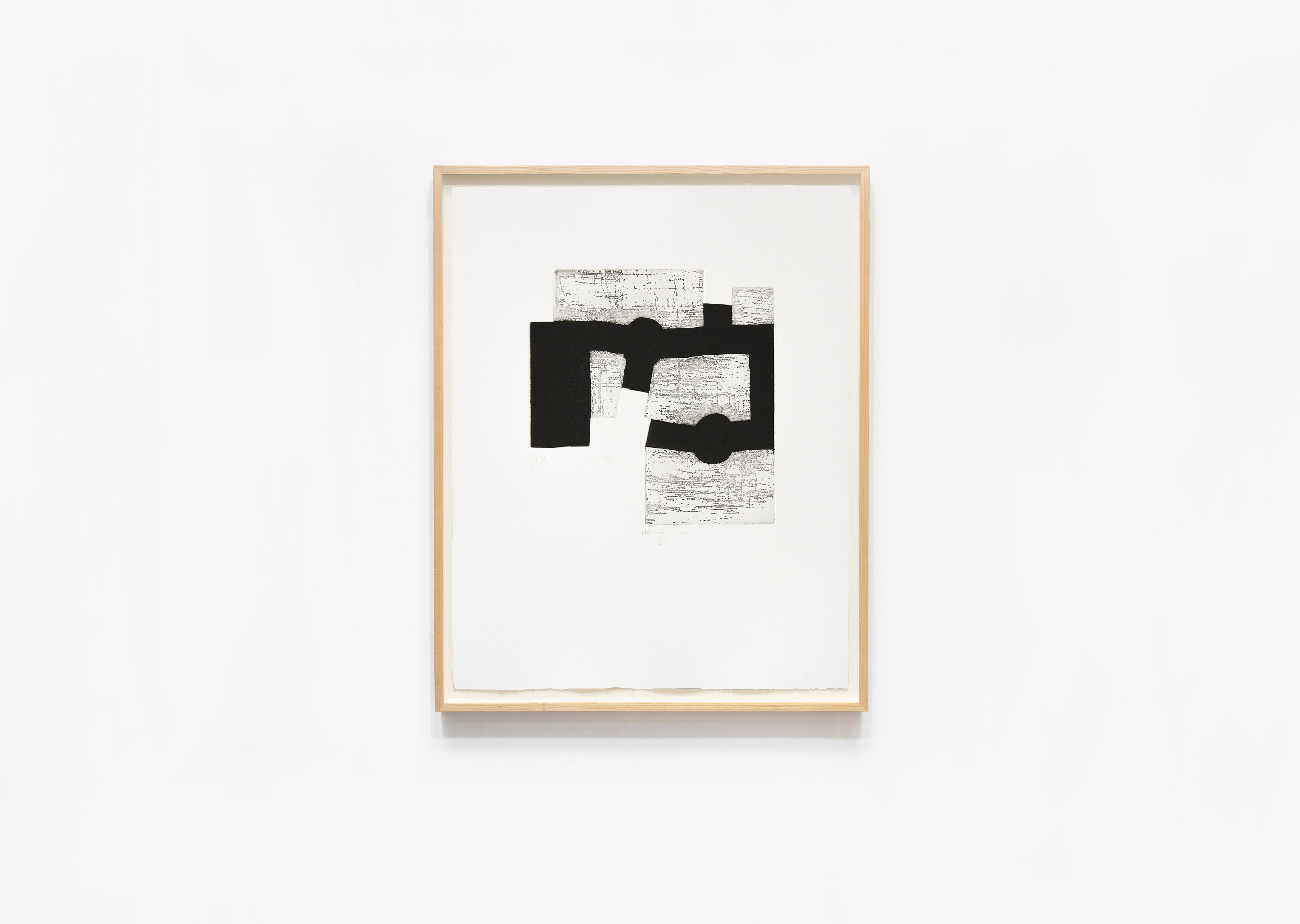
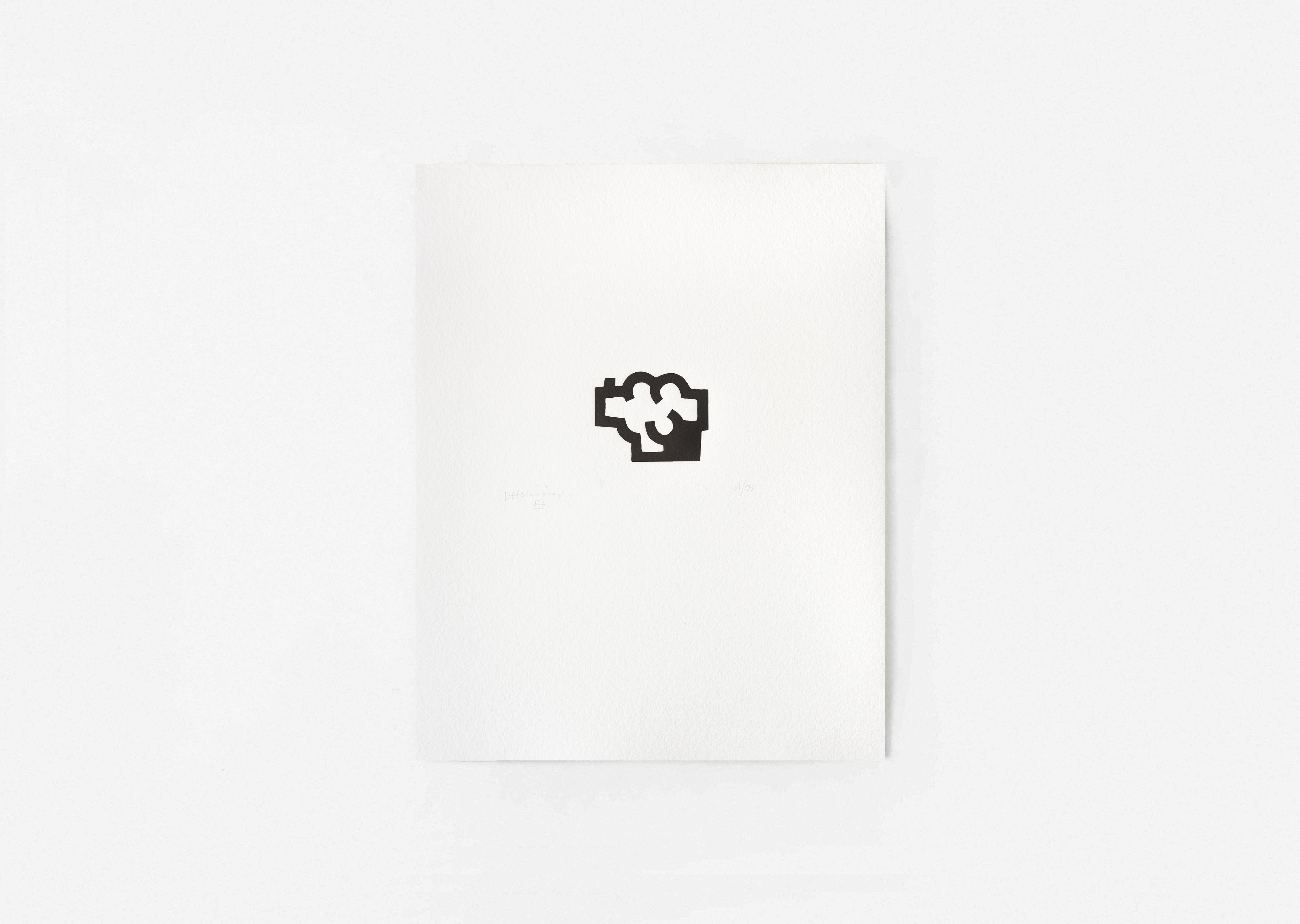
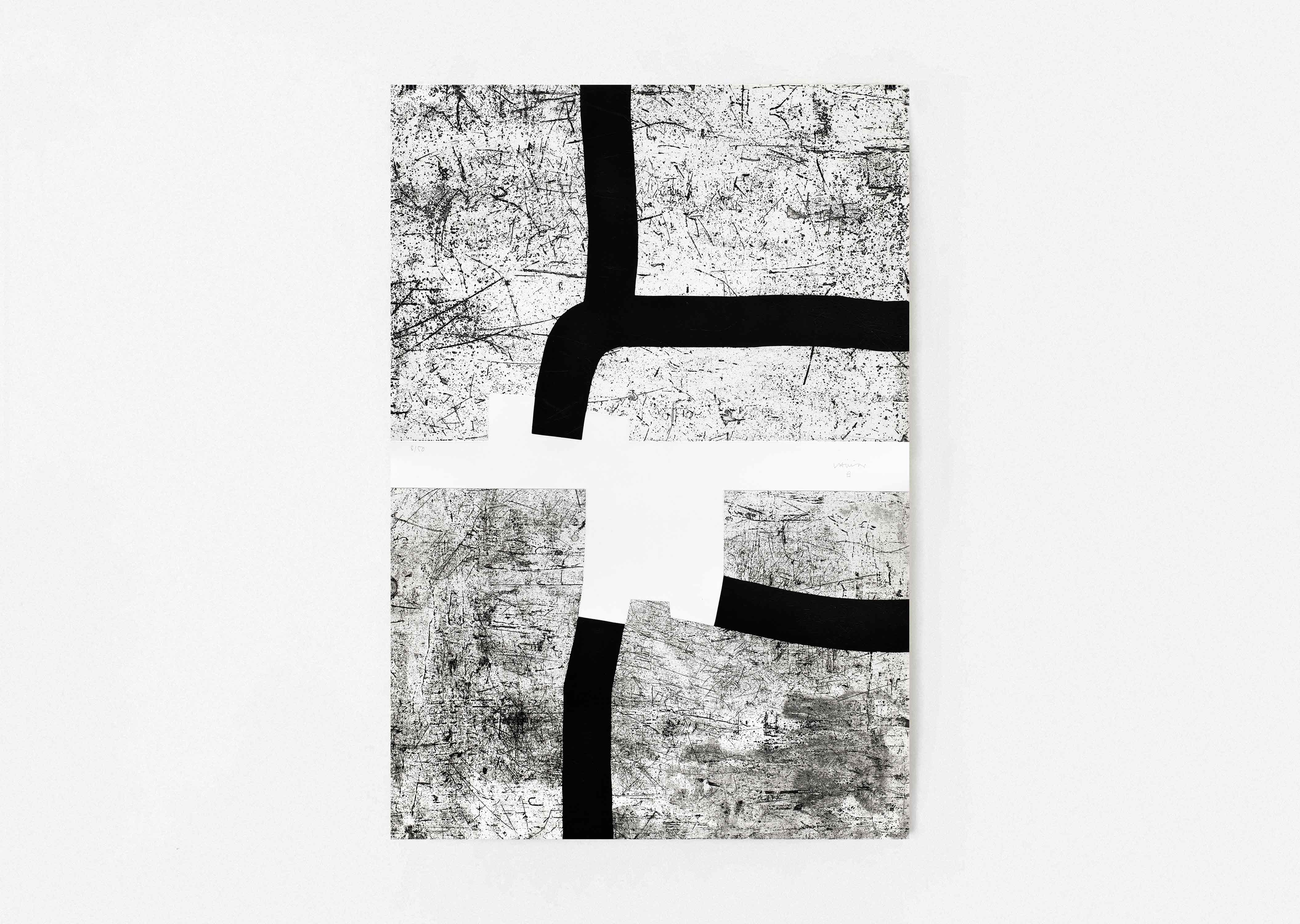
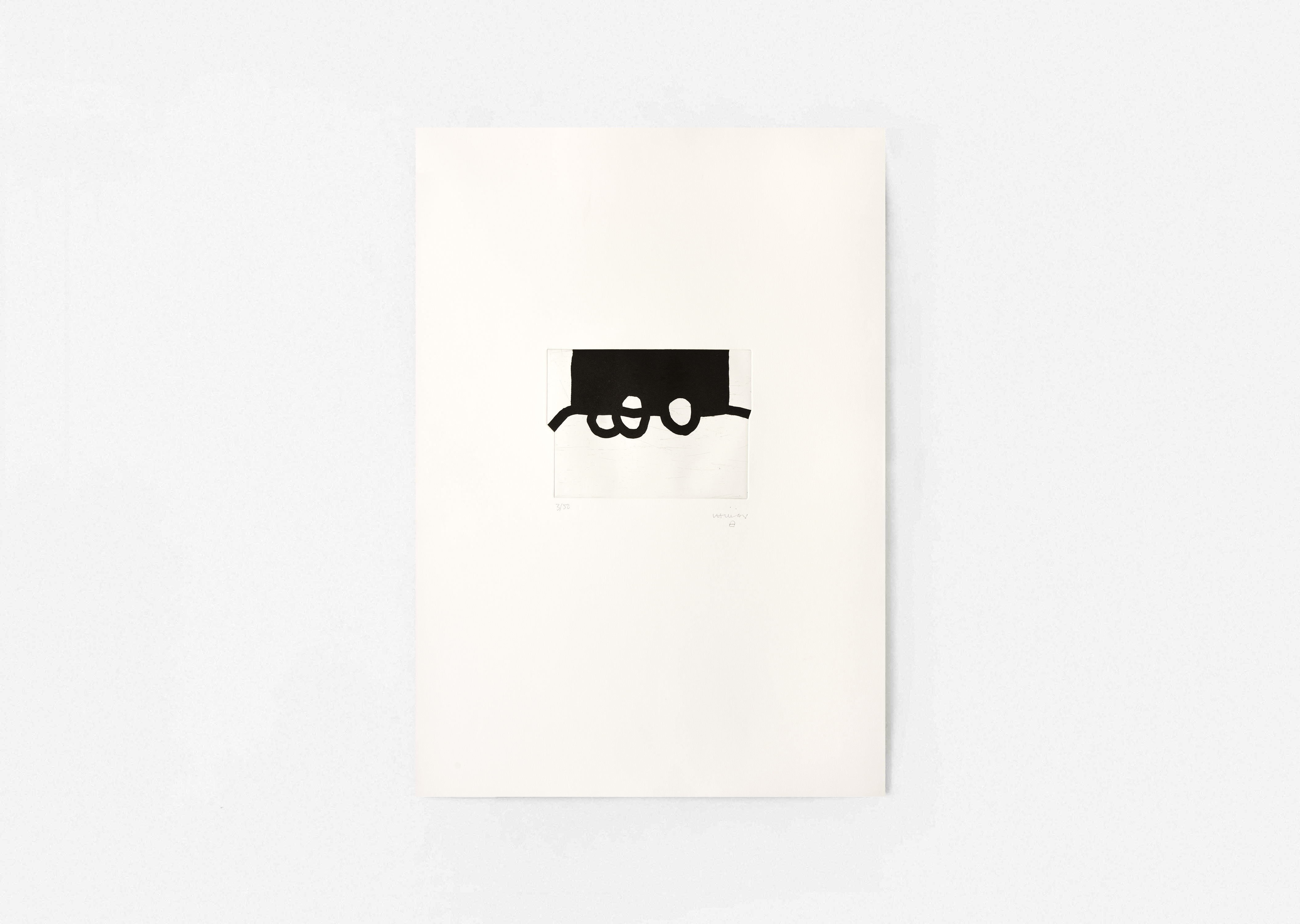
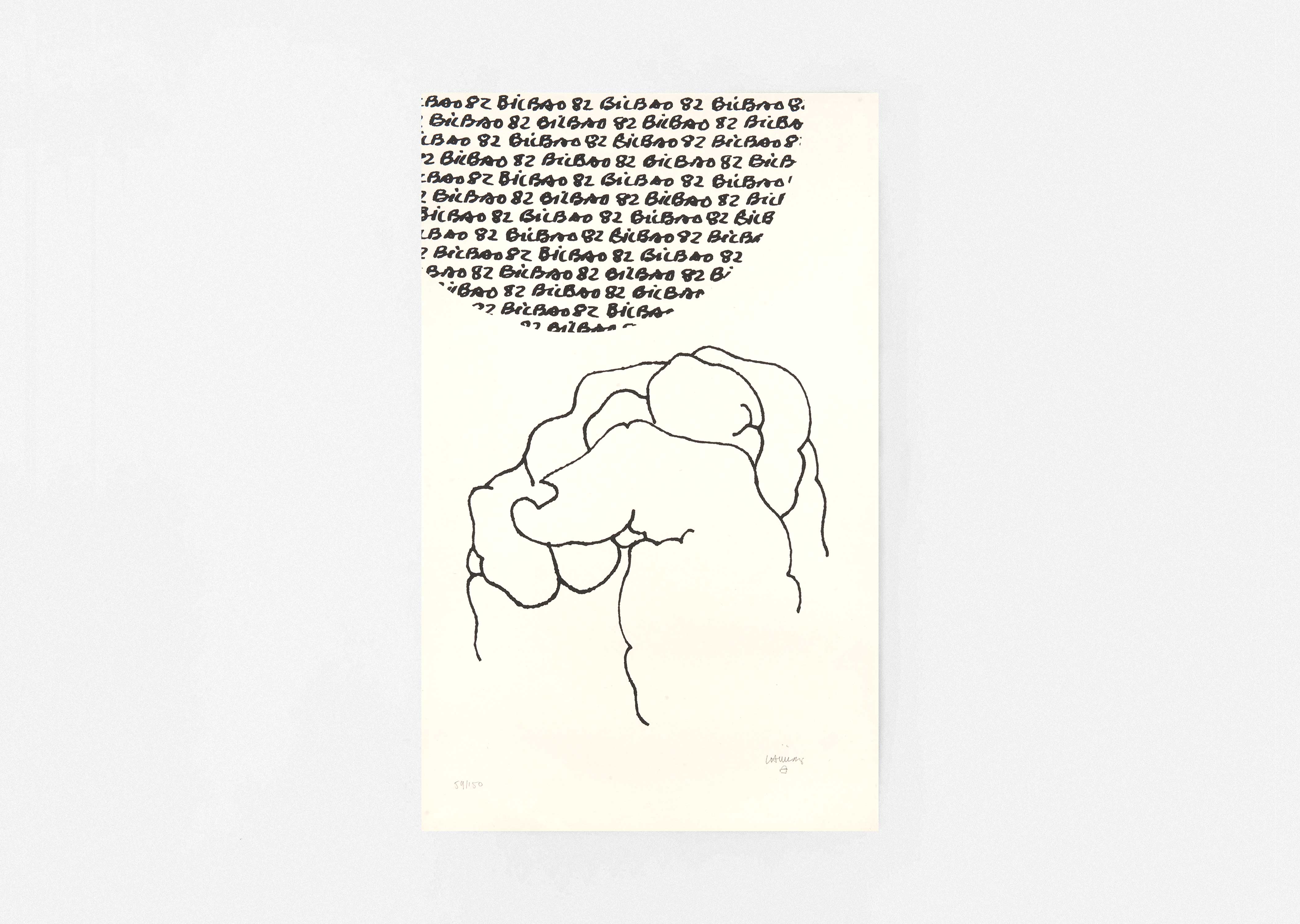
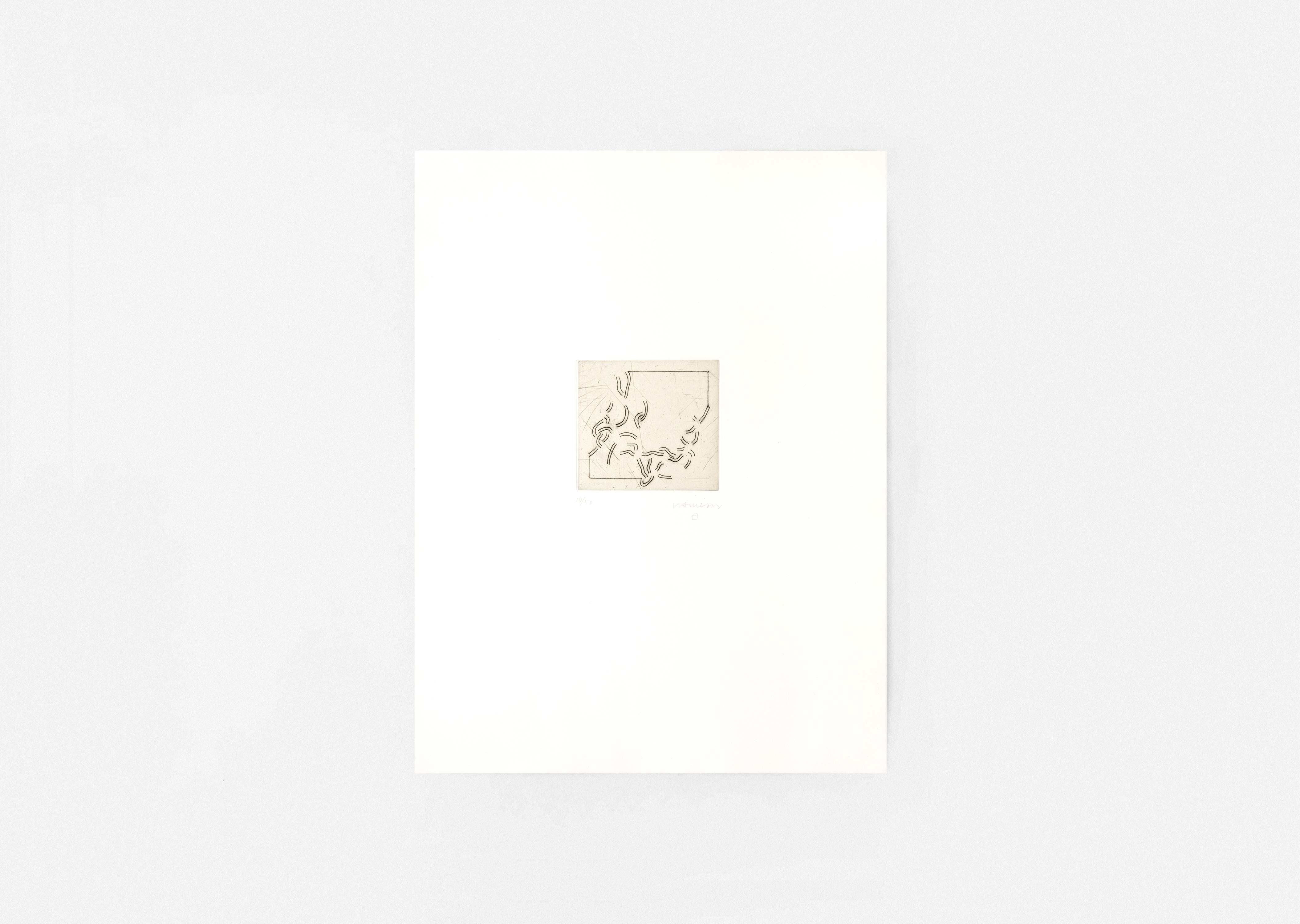
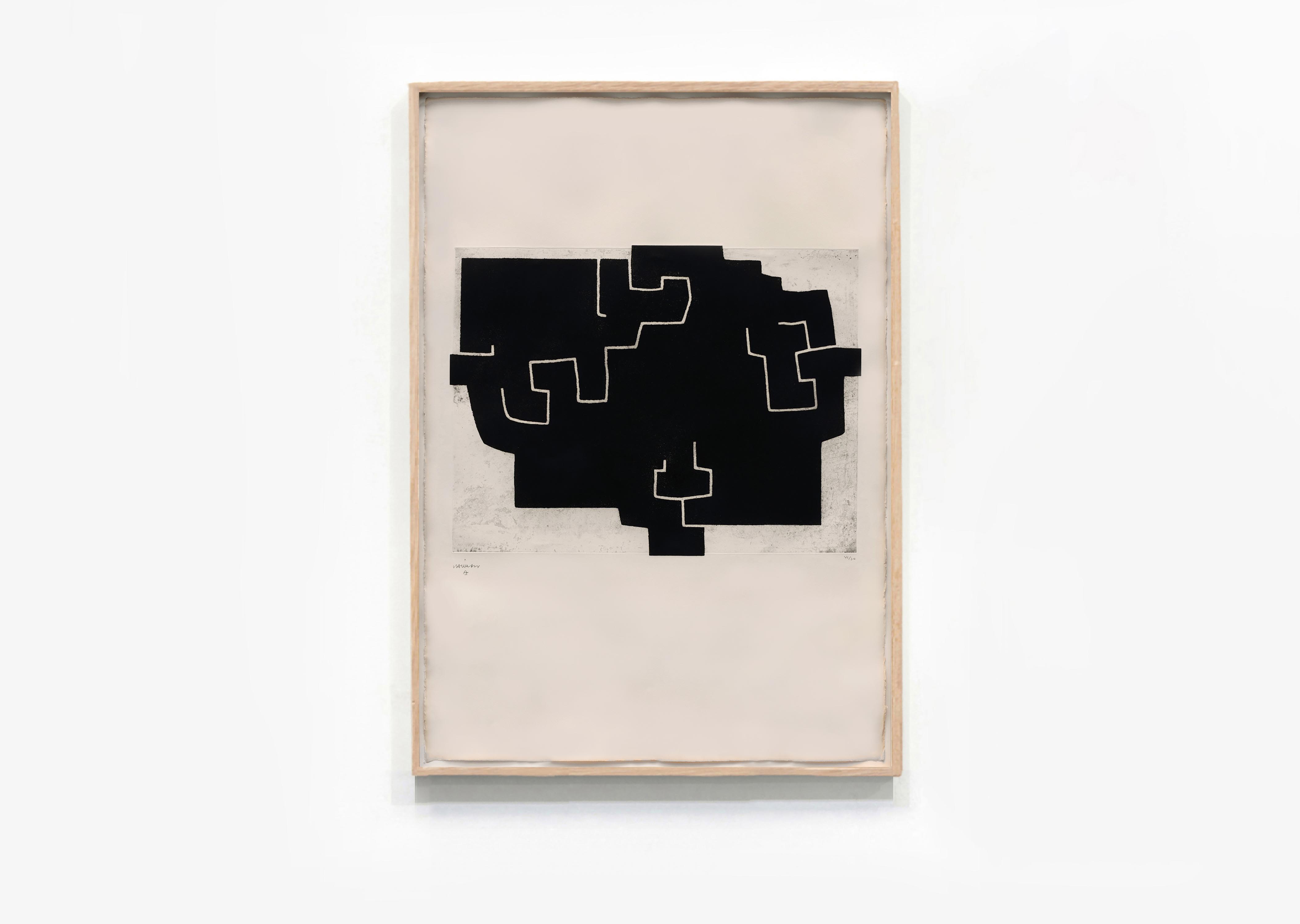
A “sculptor turned blacksmith,” in the words of Gaston Bachelard, Eduardo Chillida made his mark with sculptures, some of them monumental, in various materials: wood, steel, iron, and stone, in which he deployed an “architecture of emptiness.” With great clarity, straight lines, curves, and fractures intertwine to form a language between formal abstraction and raw materialism. His graphic works on paper express this poetry of space and form with the same power.
Throughout his career, his works have been exhibited in many prestigious institutions: documenta 4 (1968), Kunstmuseum Basel (1969), Kunsthaus Zurich & Stedelijk Museum in Amsterdam (1969), retrospective at the Carnegie Institute in Pittsburgh (1979), retrospective at the Salomon R. Guggenheim Museum in New York (1980), at the Reina Sofia Museum in Madrid (1998), at the Guggenheim Museum in Bilbao (1999), retrospective at the Fundació Joan Miró in Barcelona (2003), etc.
He also received several prestigious awards: Venice Biennale (1958), Graham Foundation (1959), Kandinsky Prize (1962), Carnegie (1964), Wolf Foundation (1984), Praemium Imperiale in Japan (1991), and more.





.jpg)